Actually, they might all be the same person. The difference, more often than we care to admit, is the story we tell ourselves about them.
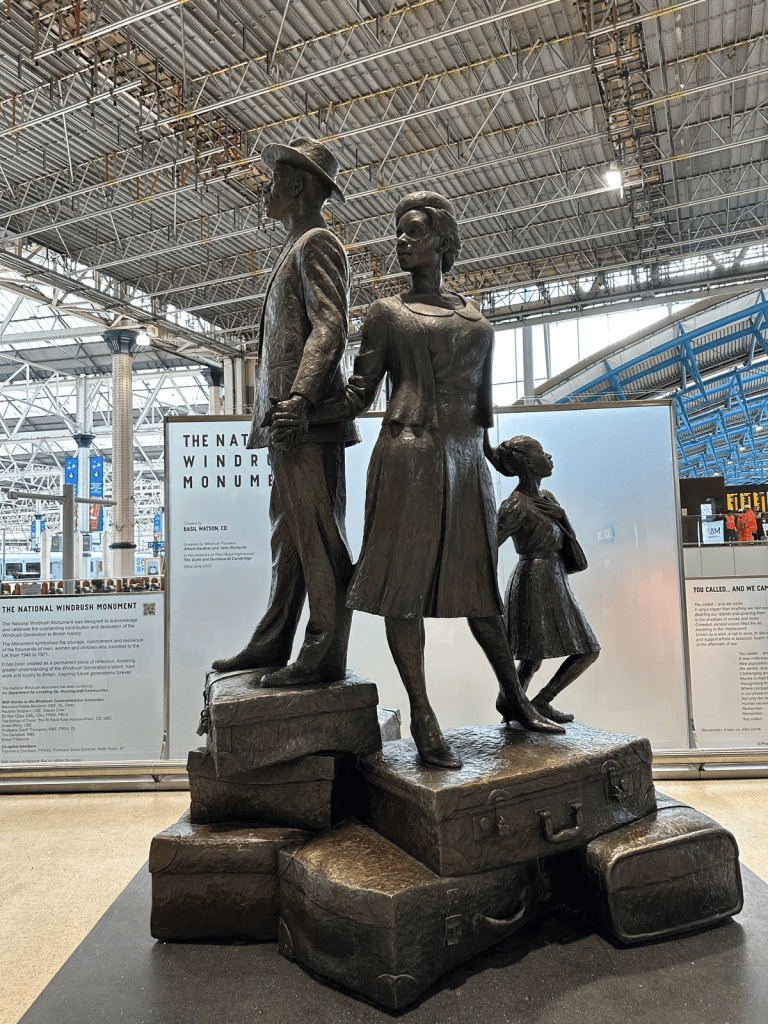
One is an expat. One is an immigrant. One is a refugee.
Three different words, three very different sets of assumptions. One sounds like an adventure, another like a threat, and the third like someone in need of our compassion.
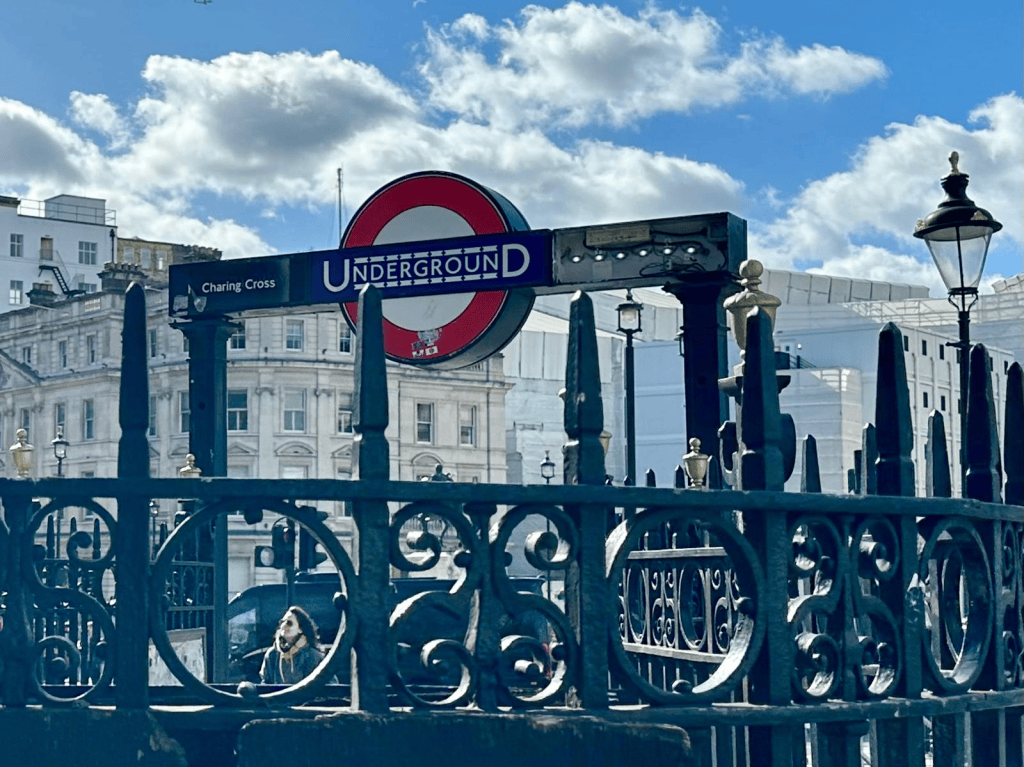
But what happens when the person in question is white, speaks English, has a South African passport and moves to the UK? Does the terminology change? Does the perception change? And, perhaps more importantly, why?
I have lived in Cape Town, London and Cardiff. I loved living in Cape Town. I loved living in London. And I love living in Cardiff. I am South African by birth, British by ancestry and residence, and fortunate enough to have built a life that connects me to both countries. I have been away from South Africa for 27 years. Twenty-seven years! Long enough to have watched fashions, governments, technology and the price of pretty much everything change beyond recognition. Long enough to have built a life somewhere else. Long enough, apparently, for some people to decide that I have forfeited the right to an opinion about the place I came from. But I am getting ahead of myself.
So, why did I leave?
I did not leave South Africa because I thought it was a terrible place. I did not leave because I was fleeing crime, nor because I had stopped loving Cape Town. I was fortunate not to have experienced the kind of personal, crime-related trauma that might have driven me away, although we were robbed more times than I can remember. They were things, ultimately. I was never physically hurt or had my life threatened.
I do remember living with a degree of fear, though. You don’t go walking on the beach by yourself. You don’t drive alone at night if you can avoid it. You think about where you are going, what time you are going, where you will park and whether it is sensible to be there at all. And always message to tell your mother or dad you got to where you are going okay.
That becomes part of your normal. You make adjustments, take precautions and get on with life.
When I arrived in the UK in the late 1990s, I experienced a different kind of freedom. I could go out alone without the same calculations running through my head. There were other concerns, of course, including the threat of terrorism, which was very much part of the British landscape at the time. No country gets to claim a monopoly on fear. And this is where I think context matters.
South Africa has a serious problem with violent crime, and the statistics should not be brushed aside. But crime is not experienced equally. Poverty, inequality, location, access to secure housing and transport all influence a person’s exposure to risk. The precautions that someone living in a secure, affluent suburb can take are simply not available to everyone.
The experience of a person living behind high walls, with an alarm, armed response, a car and secure parking, can be very different from that of a young woman living in a deprived community who has none of those protections, or even access to a clean working toilet.
Two people can live in the same country and inhabit very different realities. That doesn’t make one person’s fear imaginary. Nor does it mean the other person’s experience tells the whole story. And, of course, the same principle applies here in the UK. There are safe places and unsafe places, privilege and deprivation, people who feel secure and people who don’t. And food banks…. We cannot understand a country simply by looking at the experiences of those fortunate enough to live comfortably within it. But crime was not why I left South Africa. My reasons were personal, and they are not something I need to share here. They were about my circumstances rather than the country itself. Moving to the UK offered an opportunity to break free, reinvent myself socially, travel, learn and experience new things.
And that is precisely what I did.
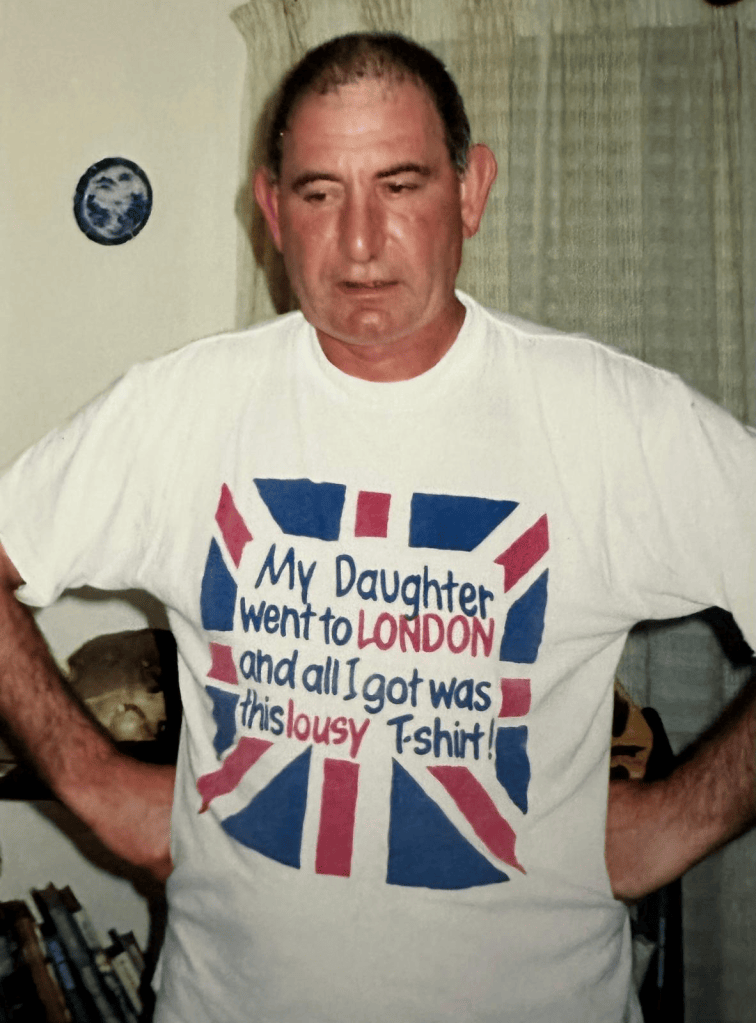
A new country, a new life, and a ridiculous amount of work
When I first arrived, the UK felt full of opportunity. I could work, earn, save, study and travel in ways that had not felt quite so achievable to me before. I did two jobs simultaneously in London: four twelve-hour shifts a week as a hotel manager, alongside four days a week doing secretarial work through a temporary agency. Yes, you read that correctly. Apparently, my idea of settling into a new country was to work approximately the hours of two people and then use my remaining time to plan adventures. Those of you who have known me for 30 years will remember the ‘NodnoL’ travel diaries I would write about said adventures.
If I didn’t like a job, I found another one. If I wanted to learn something, I looked at how I could make it happen. I could save towards travel, gain new skills and take opportunities as they came along. I was young, determined and perhaps not entirely sensible about how much sleep a human being actually needs. But I had choices. And I had the opportunity to make those choices count. I never imagined that I would still be here 27 years later.
There was no safety net of simply popping back to Ma and Dad’s house if everything went wrong. If I became ill. If life unravelled, the alternative wasn’t necessarily a comfortable return to familiar surroundings. It might have meant a flight home and the challenge of figuring out what came next. That knowledge made me cautious in some ways. I had to think things through, make things work and learn to rely on myself. Looking back, two of the biggest lessons I have learnt from moving abroad are that I am more resilient than I thought I was, and that adaptability is one of the most useful things a person can develop.
You learn to deal with the unknown. You learn that plans change. You learn that sometimes the thing you thought you wanted isn’t what you need after all. And you learn that you can build a life in a place that once felt entirely unfamiliar.
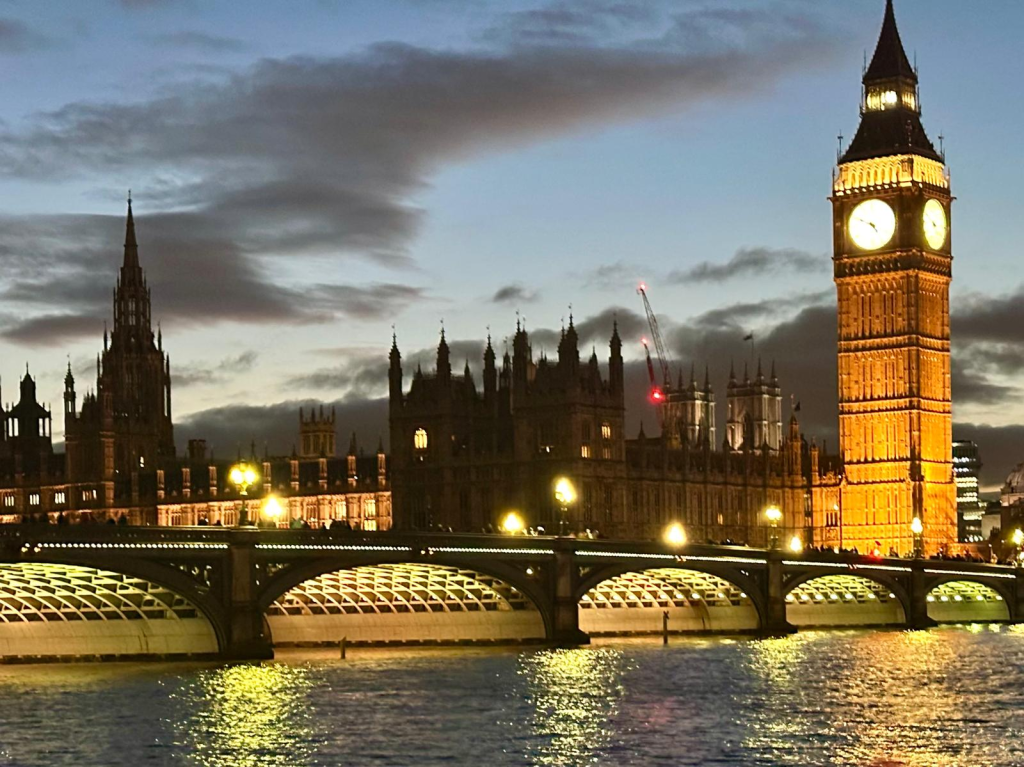
The things you miss, and the things you forget
Of course, moving abroad comes at a cost. You miss your family. You miss your friends. You miss the weather, the food, the humour, the familiar expressions and the people who understand what you mean without needing a three-paragraph explanation. Althought we all know that I love to give three paragraph explanations!!
You miss the things that make a place feel like home. Sometimes, you miss things you didn’t even realise were important until they were no longer part of your everyday life. Like butternut. I am not even joking. But here is the thing about nostalgia: it is a selective little beast. Time has a funny way of putting rose-tinted glasses on everything. The things you loved become more vivid, while the things that frustrated you quietly disappear. Not a bad thing. The problems that existed when I left have not necessarily vanished. The frustrations, the inequalities, the political disappointments, the things that made daily life difficult, many are still there. Although to what extent I guess I cant really say after 27 years not there.
But when you are sitting in a grey British winter, looking at the rain running down the window, it is entirely possible to remember a Cape Town afternoon in the sunshine and forget everything else. Funny how that works. And the reverse happens, too. When you visit somewhere you once lived, you can suddenly notice the things you used to take for granted. The infrastructure. The public services. The ease of getting certain things done. The little conveniences that only become visible when you have lived without them. I have developed a real appreciation for good infrastructure (Good infrastructure and on time are two different things). I also have a much greater appreciation for South Africa’s food. The quality of the fresh produce, the flavours, the outdoor lifestyle and that glorious feeling of being able to sit outside without first consulting a weather app, a thermal layering and the risk assessment for hypothermia. And then there is the British spring.
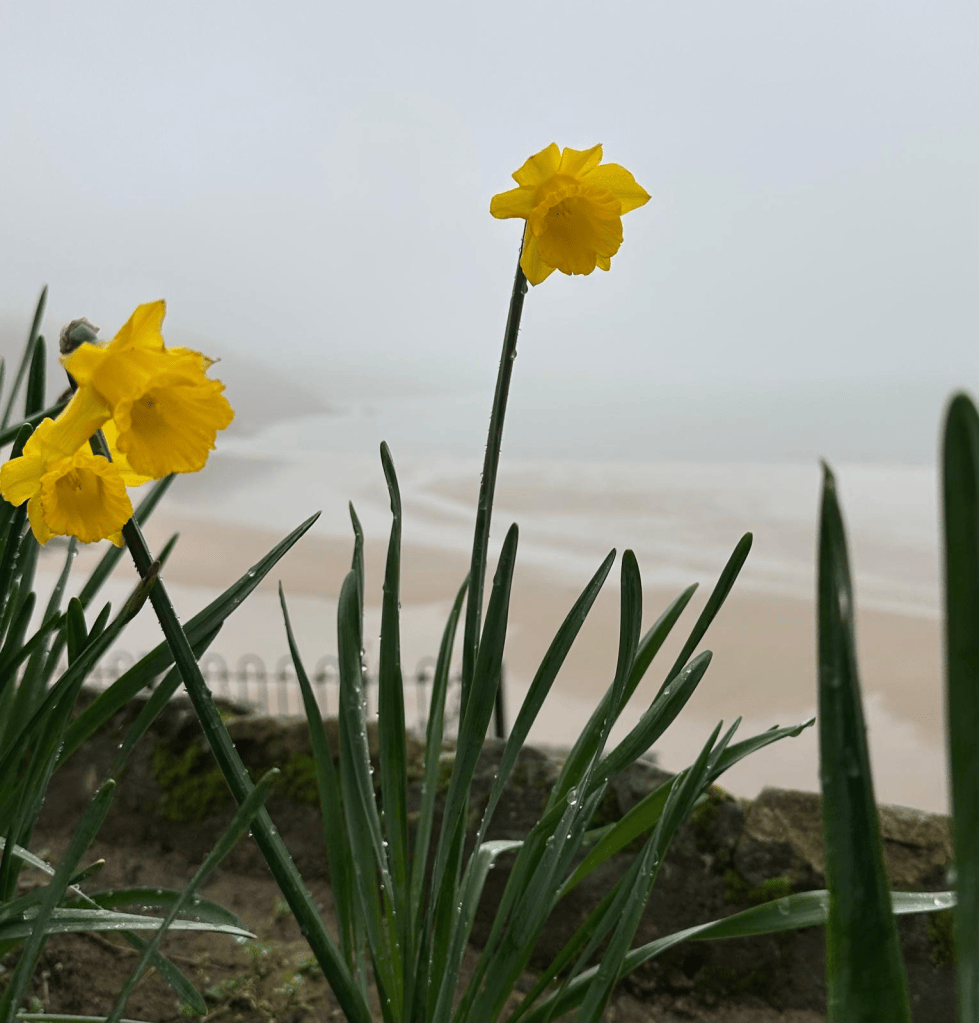
After months of cold and dark (and a sprinkling of snow if you are lucky) , the first signs of spring feel almost miraculous. The days get longer, the flowers appear, and everyone behaves as though we have personally defeated winter.
Autumn is spectacular, too. The colours, the crisp air and the crunch of leaves underfoot remind me that there is beauty in every season if you make an effort to notice it.
Summer, meanwhile, can involve dramatically overheating because nobody seems to have air conditioning and our buildings appear to have been designed to trap every last molecule of heat. You win some. You lose some. The point is not that one country is better than the other. It is that they offer different things, and I have learnt to appreciate both.
But what exactly am I?
I have sometimes been told that I am not really an immigrant in the UK. I am an expat.
And I understand why the word expat might feel familiar to people who move abroad for work or adventure. But I have always found the distinction curious. I moved from South Africa to the UK. I settled here. I worked here. I built relationships, contributed to my community and made a life here. I have lived here for 27 years. If that doesn’t qualify as immigration, I am not entirely sure what does. Perhaps it is because I am white. Perhaps it is because I speak English. Perhaps it is because I have been able to work, support myself and navigate life here without encountering some of the barriers faced by other people who move countries. Probably, it is a combination of things.
I am not suggesting that everyone who calls themselves an expat is deliberately avoiding the word immigrant. Nor am I suggesting that every immigrant has the same experience. The circumstances in which people move, the legal routes available to them, their resources and the reception they receive can be vastly different. Someone who has fled persecution, someone who has moved for work, someone joining family and someone who has crossed borders in search of safety are not necessarily in comparable situations. Refugee status, in particular, has a specific meaning and should not simply be treated as another interchangeable label.
But the broader question remains: why do some people get described as adventurous, globally minded expats, while others are talked about as immigrants who need to justify their presence? Is it their passport? Their income? Their circumstances? Their skin colour? Their accent? And would the same person, with the same story, be described differently if they looked different? It is worth thinking about.
I am very aware that my experience of moving to the UK has been shaped by advantages that other people may not have. Being white, speaking English and having had the resources and opportunities to establish myself have made aspects of my journey easier. I have not experienced every barrier faced by people who immigrate here, and I would never pretend otherwise. I have also had the privilege of choice. I was able to leave South Africa and build a life in another country. I have been able to travel, work and make decisions about where I want to live. I know that many people do not have that freedom. Some cannot afford to leave. Others have no safe home to return to. Some have been forced to leave the only place they have ever known.
There is a world of difference between choosing to move and having to flee.
Acknowledging that difference does not mean that my own move was insignificant, or that I cannot understand some of the challenges of starting again. It means recognising that my experience is one experience, shaped by both the difficulties I faced and the privileges I carried with me. I can be grateful for the opportunities I have had without pretending that everyone has been offered the same ones. And I can acknowledge my privilege without erasing my own story. I am an immigrant. I have immigrated. I have made a home in another country. Whether someone prefers to call me an expat is, ultimately, their choice of terminology. But I think we should be asking ourselves why we are so comfortable using different words for people whose fundamental experience, moving from one country to another to make a life, may be remarkably similar. The labels we choose often tell us as much about the person doing the labelling as they do about the person being labelled.
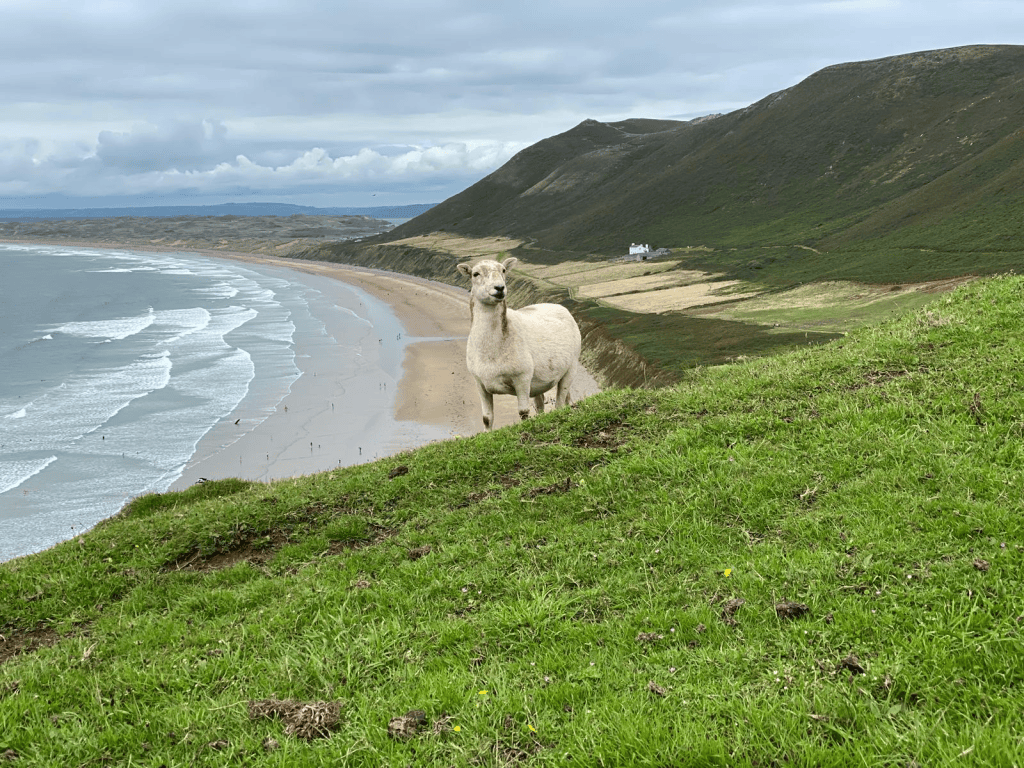
Not quite from here. Not quite from there.
There is another curious consequence of moving abroad. You can find yourself in the strange position of not being considered entirely from either place. In the UK, I am sometimes reminded that I am a foreigner. My accent gives me away before I have even finished ordering my fruppachino in Starbucks.
In South Africa, I have occasionally been made to feel that, because I left, I no longer have quite the same right to an opinion. It is a peculiar sort of belonging: you have roots in one place and a life in another, but someone, somewhere, is always ready to tell you that you don’t quite qualify. I have been challenged in South Africa for criticising things from afar, as though leaving the country means I must now keep quiet about anything that happens there.
And in the UK, I have been told, in response to criticism of something here, that I should go back to where I came from. Apparently, I should either stop caring about the place I left or stop having opinions about the place I moved to.
Convenient.
Except that I don’t think either position makes much sense. I lived in South Africa. I know it, I love it, and it remains an important part of who I am. Leaving did not erase my memories, my experiences or my affection for the country. Nor did it magically remove my ability to think critically about what happens there.
I can celebrate what is wonderful about South Africa and challenge what is not. I can acknowledge its extraordinary beauty, culture, people and potential while also being honest about its problems. Loving a place does not require you to defend everything about it.
And the same applies to the UK.
I live here. I work here. I pay my way, contribute to my community, build relationships and take an interest in the society of which I am a part. I care about what happens here, and I want things to be better. I do not need to have been born in Britain to recognise injustice, question incompetence or challenge something I believe is wrong.
In fact, I would argue that a person who has lived in more than one country may sometimes bring a useful perspective. We have seen different systems, different approaches and different ways of doing things. We have experienced what works, what doesn’t and what might be done differently.
That doesn’t automatically make us right. Living abroad does not bestow some magical wisdom or a superior understanding of the world. We can be just as blinkered, ill-informed or wrong as anyone else. But it can give us a broader frame of reference. Surely the point is to listen, learn, consider the evidence and be prepared to change our minds when we discover we were mistaken. Not to dismiss someone simply because they were born somewhere else. My opinions are not automatically correct because I have lived in two countries. But they are not automatically invalid because I was not born in the country I now call home. And I will continue to care enough about both places to speak up when I think something needs saying.
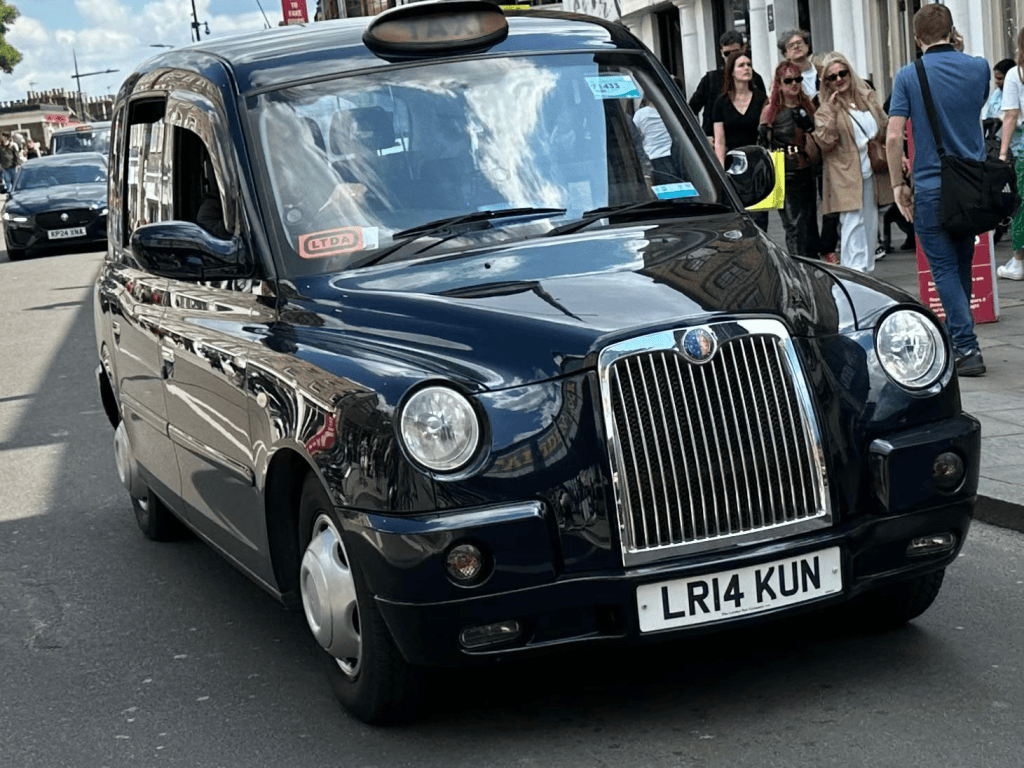
The danger of comparing everything
If there is one thing I have learnt, it is that constantly comparing the two countries is exhausting. Which has the better weather? Which has the better food? Where are houses bigger? Where is the cost of living lower? Where are people friendlier? Where is life easier?
You can spend an entire lifetime keeping score. You can also make yourself thoroughly miserable in the process. Because the answer to almost every question is: it depends.
It depends on your circumstances, your income, your neighbourhood, your family, your work, your health, your priorities and the stage of life you are in. What was right for you at 21 might not be right for you at 41. What you needed when you first arrived might be very different from what you need now. And the country that offers you the best opportunities in one season of life might not be the one that makes you happiest in another. I think it is far more constructive to ask what each place offers, what it costs you, and what you can do to build a good life wherever you are. For me, the UK offered opportunity, independence, travel and the chance to reinvent myself. It gave me the opportunity to build a career and a life I might not otherwise have had. South Africa gave me my early memories, my cultural roots, a love of Cape Town, and an appreciation of things I might never have fully valued had I not lived elsewhere. Neither experience cancels out the other.
I don’t need to prove that the UK is better than South Africa to justify living here. Nor do I need to pretend that South Africa is perfect to justify loving it. They are different places, with different strengths, different weaknesses and different challenges. I am allowed to appreciate both.

Belonging takes effort
One thing I would say to anyone thinking about moving abroad is that you cannot spend your entire life waiting to feel settled. You have to participate in your new life.
Join a club. Join a church. Find a walking group. Try a sports club. Volunteer. Talk to your neighbours. Accept invitations, even when you feel a little awkward. Be the person who offers to help when someone is struggling with a task. This is how you find your tribe.
I found that volunteering was a particularly good way to meet people and become part of a community. So was simply being willing to strike up a conversation. My accent was often a key that opened the door. People were curious, and it gave us an easy starting point.
I also learnt that building a life in a new country requires you to be open to the people who are already there. If your entire social circle consists of people from your home country, there is nothing inherently wrong with that, shared language and experience can be a wonderful source of support, and I did at one time join a South African society of sorts, but you may miss the opportunity to build connections beyond it. You need both familiarity and new experiences. You need people who understand why you miss home, and people who help your new home feel familiar. You also need to accept that some relationships will not survive the distance. That can be painful, but it does not mean those relationships were never genuine. Life changes, people change, and sometimes geography makes maintaining a friendship difficult.
And you will experience a particular kind of loneliness that can be difficult to explain. I never felt more lonely than at times when I lived in London, the busiest place. You may have colleagues, acquaintances and people to chat to, yet still miss the ease of being around those who have known you for years. But remember this: you are probably not the only person feeling lonely. Be kind to yourself. Be kind to others. Keep showing up. You do not have to abandon where you came from to belong where you are. You do, however, have to give yourself permission to put down roots. Build the life. Take the chance. Go for the walk. Book the trip. Make the friends. Volunteer. Learn the local customs. Get involved.
Integrate.
Not because you have to prove that you deserve to be there, but because this is your life, and it deserves to be lived. And have a flexible plan. Know roughly where you want to go, but accept that the destination may change along the way. I can assure you, I did not plan a husband kids and a life in Cardiff! Sometimes, the life you end up with is not the one you originally imagined. It can still be a very good life. Even the very best one.
What about giving something back?
There is a line of thinking that says that if you have moved away from a place, you have somehow relinquished your responsibility towards it. I don’t agree. I am fortunate enough to have built a life in the UK, and I believe in contributing to the community in which I live. That means being involved, offering my time where I can, supporting others and taking an interest in the things that affect the people around me. But I also continue to care about South Africa. I look for opportunities to support people and contribute when I am in Cape Town. I cannot solve every problem in either country. Neither can any of us. But I can do something. There is deprivation here. There is deprivation there.
There are people struggling to make ends meet in British towns and cities, just as there are people facing extraordinary hardship in South Africa. There are people who feel overlooked, excluded, lonely or unable to access the opportunities others take for granted. It is easy to become preoccupied with which country has the better system, the better government or the better quality of life. But perhaps we should sometimes spend less energy arguing about whose problems are worse and more energy asking what we can do about the problems in front of us. Wherever we live, there are people who could use a hand.
We don’t have to choose which country deserves our compassion. And perhaps this is another privilege of having lived in two places: the opportunity to care about both, to learn from both, and to contribute where we can.
The privilege of choice
I want to come back to this because I think it matters. I had the privilege of choosing to move. I had the opportunity to work, to travel, to build a career and to establish myself in a new country. I was able to make a home in the UK without having to flee danger or leave everything behind in circumstances beyond my control. I know that is not everyone’s story.
For some people, moving is an adventure. For others, it is a necessity. For many, it is a complicated mixture of hope, opportunity, loss and survival. Some people desperately want to leave their country but cannot. Some leave and spend years trying to get back. Some are forced to leave and have nowhere safe to return to. And some of us are lucky enough to have options that others can only dream of. Recognising that privilege should make us more compassionate, not less entitled to acknowledge our own experiences. I can recognise that my route into the UK was easier in some respects than that of many other immigrants. I can acknowledge the advantages that came with my background. I can understand that my experience is not universal. And I can still talk honestly about what it means to leave a country you love and build a life somewhere else.Those things are not contradictory.
So, where is home?
I have been away from South Africa for 27 years. That is a long time. My life has unfolded here in the UK. I have changed, grown, made mistakes, learnt things, built relationships and become a person who would not be quite the same had I never left. And yet South Africa is still part of me. I love Cape Town. I love the landscape, the food, the sunshine, the familiar humour and the feeling of returning to somewhere that holds so many memories.

I love Cardiff, too. I appreciate the life I have built here, the people I have met, the opportunities I have had and the seasons that remind me there is beauty in a place even when the weather is doing its very best to convince me otherwise. I don’t feel that I have to choose one love over the other. Perhaps home is not always a single place. Perhaps it can be the place where your life began and the place where you built the life you have now.
Perhaps it can be somewhere you carry with you, even as you grow roots somewhere else.
And perhaps belonging is not something that other people get to award you, like a certificate. It is something that develops through time, relationships, contribution, experience and the everyday business of living.
I am South African. I live in the UK. I have been an immigrant, whether or not everyone chooses to use that word. I am grateful for the life I have had the opportunity to build. I am aware of the privileges that helped make it possible. I know that my experiences are not the same as everyone else’s. And I am still allowed to love the country I left, care about what happens there, and speak up when I think something is wrong. I am equally allowed to love the country I moved to, contribute to my community, and challenge what happens here.
I don’t need to choose between the two. Nor do I need to pretend that either is perfect.
You only get one life
That doesn’t mean we can control everything. Circumstances matter. Money matters. Safety matters. Family, health, opportunity and luck matter enormously. But where we have choices, we have to make the most of them. You cannot spend your whole life waiting for a sunny day, a better job, a nicer house, the right time or the perfect set of circumstances.
You only get one shot at this life. You have to make the most of the one you have. If you move abroad, give it a proper chance. Build friendships. Get involved. Make mistakes. Learn the language of the place, even if you technically already speak it. Be prepared to adapt.
And if, after giving it your best shot, you decide it isn’t for you, that is okay, too. Returning is not necessarily failure, just as staying is not necessarily success. The important thing is to make the decision that is right for you, rather than living according to what other people think you ought to do. But while you are here, be here properly. Plant the roots. Make the effort. Contribute. Find your people. Appreciate what is good. Challenge what is wrong. Stay curious about the world beyond your own experience. And be careful about the labels you use for other people. You rarely know the whole story from the outside.
I never intended to spend 27 years in the UK. I certainly never intended to become someone who could feel at home in two places at once, while occasionally being reminded by both that I am not quite from there. But here I am.
A South African who loves South Africa. A resident of the UK who loves the life she has built here. Someone who knows that privilege has played a part in her journey, and who remains grateful for the opportunity to have lived it. I don’t think loving one country requires me to criticise the other. I don’t think moving away means I must stop caring. And I don’t think being born somewhere should be the only qualification for having a voice about what happens there.
I think we would all be better off if we spent a little less time deciding who belongs, and a little more time helping people feel that they do. Because whether you call yourself an immigrant, an expat, a returning South African or simply someone trying to make a good life, the truth is that we are all just people, doing our best with the lives and opportunities we have been given. And if we can learn to appreciate the good in the places we live, acknowledge the things that need to change, and show a little more understanding towards those whose journeys look different from our own, perhaps we can all make those places a little better.
As for me? I have loved living in Cape Town. I loved living in London. And I love living in Cardiff. No regrets. No need to choose. Just gratitude for the privilege of having called all three home. And a determination to make the most of wherever I happen to be. Because perfect is not coming. But a good life still can.