Mountains, penguins, wine, history, sunsets and a healthy amount of eating. What’s not to love?
Every now and then, someone tells me they’re traveling to Cape Town and asks me for recommendations on what to see, where to go and, most importantly, where to eat. And honestly, where do you even begin?
Cape Town is my old hometown, and I will always have a very soft spot for it. It’s one of those places that gets under your skin. The mountain, the sea, the sunshine, the people, the food, the history and that wonderfully laid-back, occasionally chaotic South African way of life. There is something quite magical about it. I may be a little biased. Actually, let’s not pretend otherwise. I am very biased.
But there is a reason Cape Town regularly features on lists of the world’s most beautiful cities. You can have breakfast overlooking the ocean, spend the afternoon exploring centuries of history, watch the sun set behind the mountains and finish the day with a decent curry or a braai. LEKKER!
So, for those of you planning a visit, here is my Cape Town Top 15, in no particular order. This isn’t an exhaustive guide, and it certainly isn’t a list of everywhere worth visiting. It is simply my personal collection of favourites, recommendations and places I think deserve your time. Some are iconic tourist attractions, some are places where you can soak up local life, and a few come with a little personal nostalgia thrown in for good measure.

1. Hop-On Hop-Off Bus
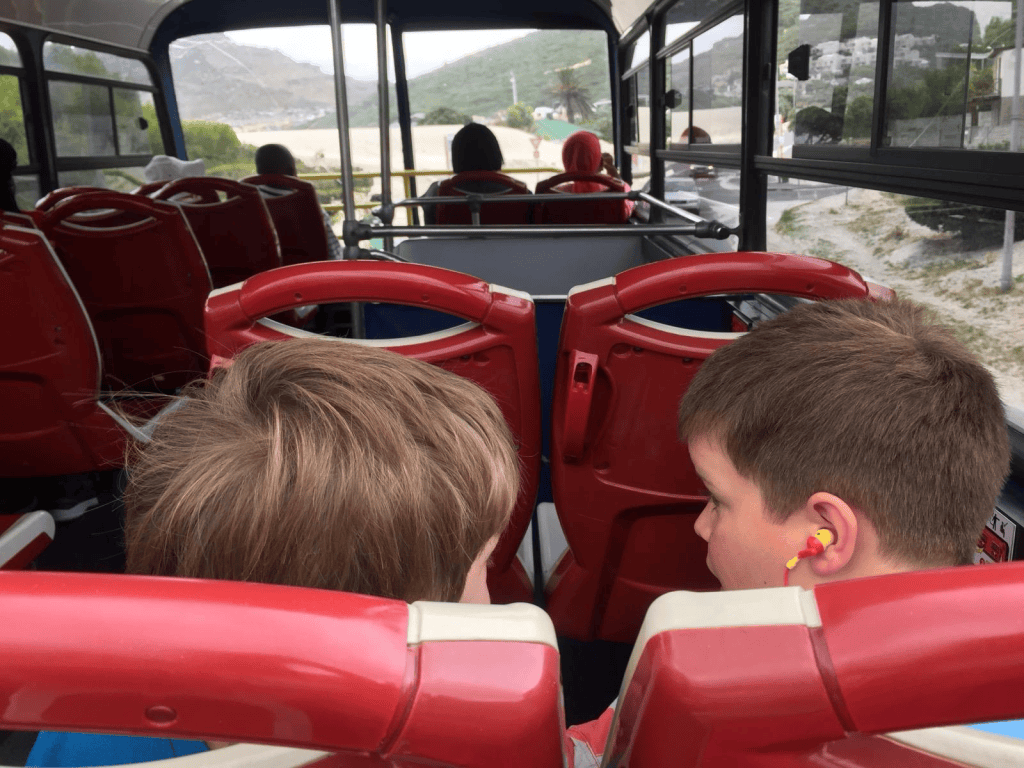
If your time in Cape Town is limited, start here. The hop-on hop-off sightseeing bus is one of the easiest and most affordable ways to get your bearings and see many of the main attractions without spending half your holiday trying to work out where you are. The routes cover different parts of the city and peninsula, with commentary along the way. You can hop off when something catches your eye, explore, and catch another bus when you’re ready. It is particularly useful if you are visiting for only a few days and want to fit in as much as possible without hiring a car. And let’s be honest, when you are somewhere new, it is rather nice to have somebody else worry about the route while you sit back and admire the scenery. My advice? Use it to get an overview of the city, then revisit the places you particularly like at your own pace.
2. Table Mountain
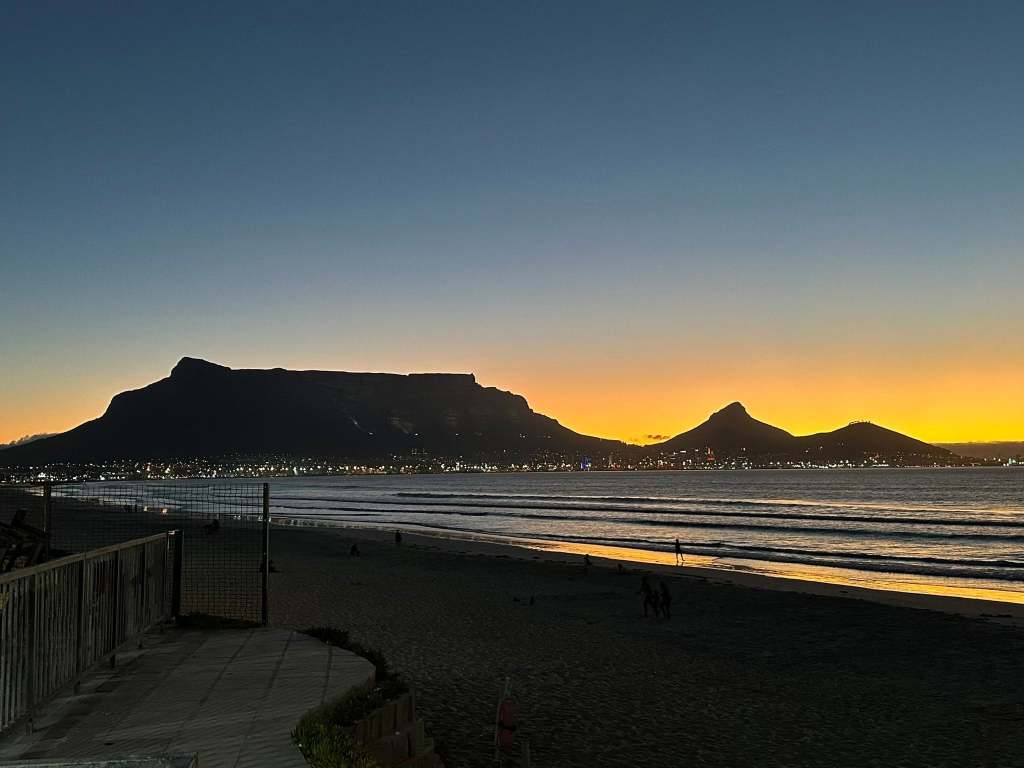
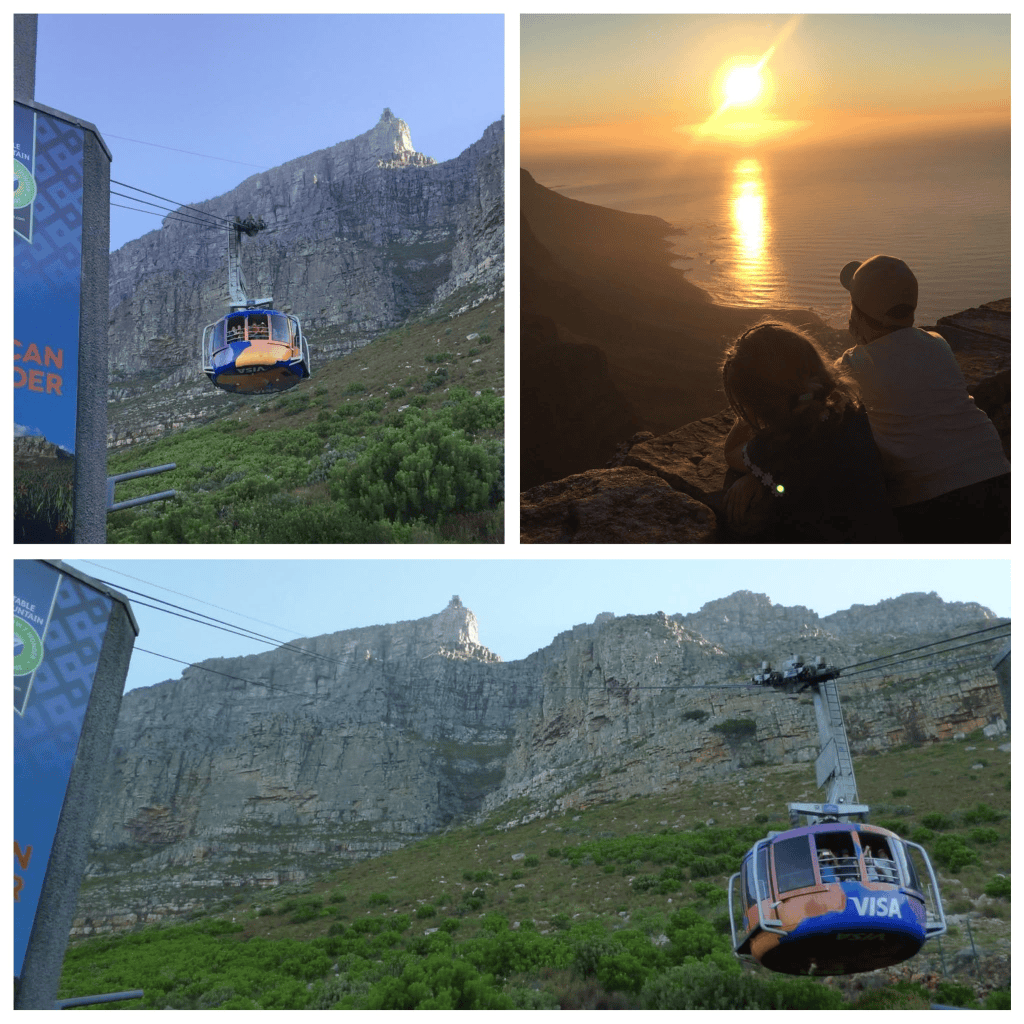
There is a reason this mountain is famous. Table Mountain dominates the Cape Town skyline, and no matter how many photographs you have seen before arriving, the real thing is something else entirely. Take the cable car to the summit, ideally late in the afternoon, and watch the city, coastline and surrounding mountains change colour as the sun begins to set. On a clear day, the views are extraordinary. The cable car’s rotating floor gives passengers a changing panorama as they travel up and down, so everyone gets a chance to enjoy the view. If you are feeling energetic, you can hike up instead. There are several routes, but please do your research, check conditions and choose one suited to your fitness and experience. Mountain hiking is not the place to discover that your idea of a strenuous walk is a stroll around the garden centre (hence why Ive always opted for the CC).
Also, check the weather and cableway operating status before you go. Cape Town has a habit of throwing a tablecloth over the mountain just when you have decided it would be the perfect time to visit. The famous cloud cover can roll in surprisingly quickly, and strong winds can affect cable car operations. If you get a clear evening, though, it is genuinely special.
3. Central Cape Town: Gardens, History and City Life
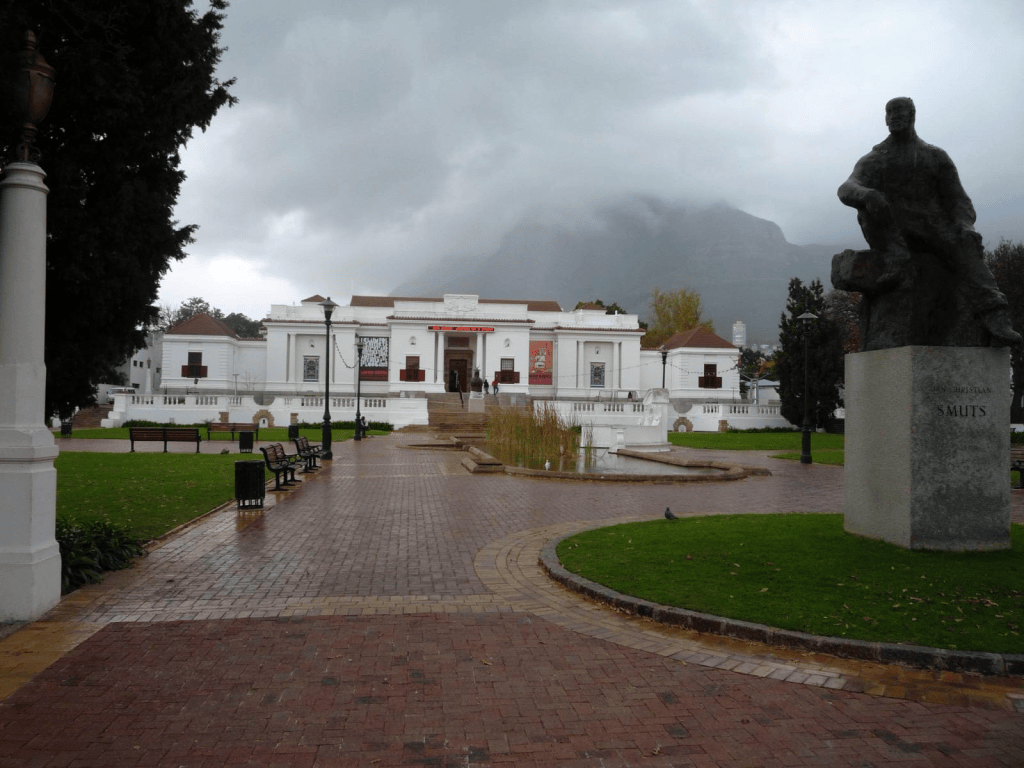
Don’t just tick Table Mountain off your list and head straight for the beach. Spend some time exploring the city itself. Start in the Company’s Garden, a beautiful green space in the heart of Cape Town. The garden was established by the Dutch to grow fresh produce for passing ships. Today, you can wander beneath the trees, feed the squirrels, admire the flowerbeds and enjoy a little peace amid the bustle of the city. Nearby, you will find the South African National Gallery, the South African Museum, St George’s Cathedral and Parliament. This area is particularly interesting if you enjoy architecture and history. I also have a personal connection to this part of town. My old high school was/is based in the historic buildings associated with the old parliament which makes walking around here a little nostalgic for me. Then head towards St George’s Street, explore the city centre, and wander along Long Street and Kloof Street. Long Street has its own colourful history, with Victorian buildings, bookshops, bars and cafés. Kloof Street offers a trendy mix of independent shops, restaurants and places to linger over coffee. Greenmarket Square is worth a visit too. Browse the stalls selling crafts, jewellery, textiles and souvenirs, and enjoy the buskers and street life. And if you fancy treating yourself, book afternoon tea at the Mount Nelson Hotel. Its pink exterior, elegant gardens and old-world charm make it an institution. This is Cape Town at its most layered: historic, cosmopolitan, creative and a little bit eccentric.
4. The Victoria & Alfred Waterfront
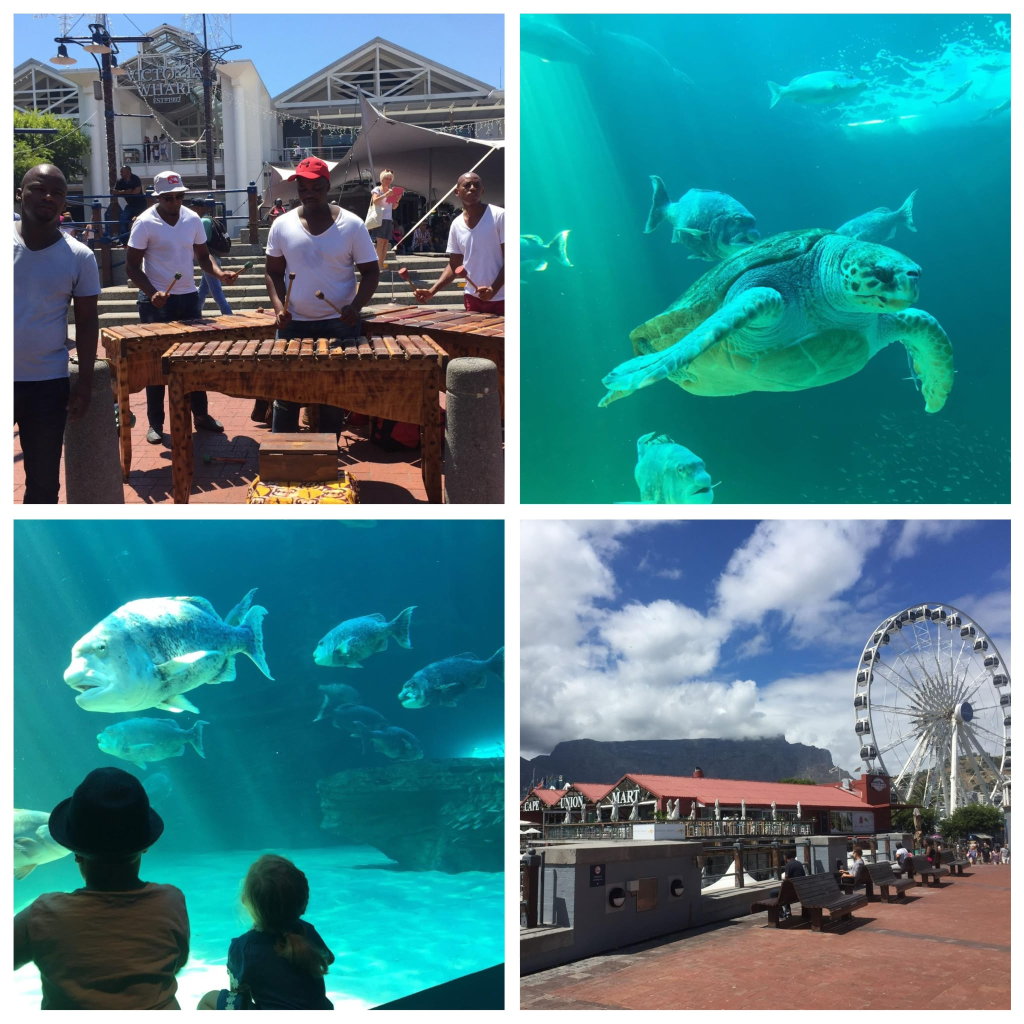
The V&A Waterfront is one of those places where you can easily lose an entire day without really noticing. Set around the working harbour, with Table Mountain providing a spectacular backdrop, it combines shopping, restaurants, entertainment, boat trips and other attractions including a gem stone scratch patch. You can visit the Two Oceans Aquarium, browse everything from local craft stalls to big international brands, take a harbour cruise, ride the Cape Wheel or even book a helicopter flight for a bird’s-eye view of the city. There is often live entertainment in the open-air amphitheatre, and the restaurants cater for just about every taste and budget.
The Waterfront is also the departure point for ferries to Robben Island, making it an important stop if you want to explore South Africa’s history. What I particularly like is the atmosphere. There is always something happening: musicians performing, people enjoying a drink overlooking the harbour, boats coming and going, and visitors trying to photograph the mountain without getting someone else’s head in the way. It is touristy, yes. But sometimes the touristy things are popular for a reason.

5. Robben Island
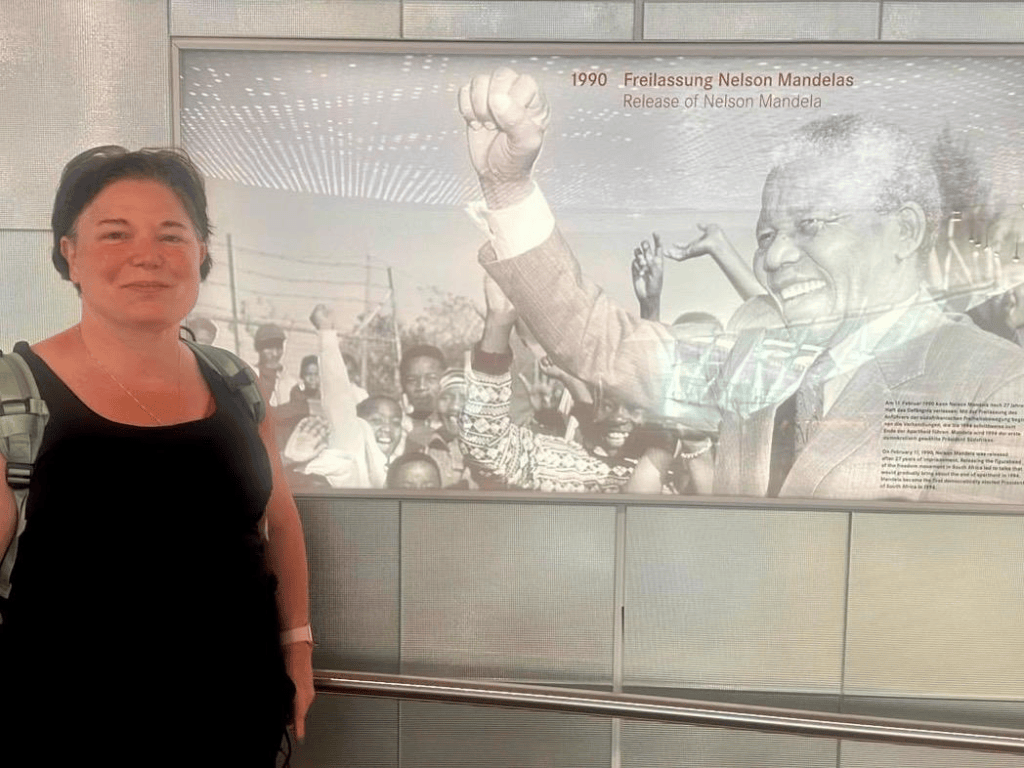
This one is about much more than sightseeing. Robben Island has served many purposes over the centuries, including as a place of banishment, a leper colony and, most famously, a prison for political prisoners during apartheid. It is where Nelson Mandela spent 18 of his 27 years in prison. Today, it is a UNESCO World Heritage Site and an important place of remembrance and education. I visited nearly 30 years ago, and the experience has stayed with me ever since. Seeing Nelson Mandela’s cell and learning about the daily lives of the prisoners brought the realities of apartheid into sharp focus. One detail that particularly stayed with me was the impact of the lime quarry, where prisoners were forced to work. The glare from the white limestone and the dust caused lasting damage to the prisoners eyesight. It was one of those experiences that makes you realise how much there is to learn about the world beyond your own little bubble. History can feel very distant when you read about it in a textbook. Standing in a place where people endured such hardship makes it much harder to keep it at a comfortable distance. I would strongly encourage everyone visiting Cape Town to go if they can. The tours have often been led by former political prisoners, whose personal experiences give the history a particularly powerful human dimension. Book ahead, check the ferry and tour arrangements, and be aware that trips can be cancelled because of weather and sea conditions.
6. Bo-Kaap
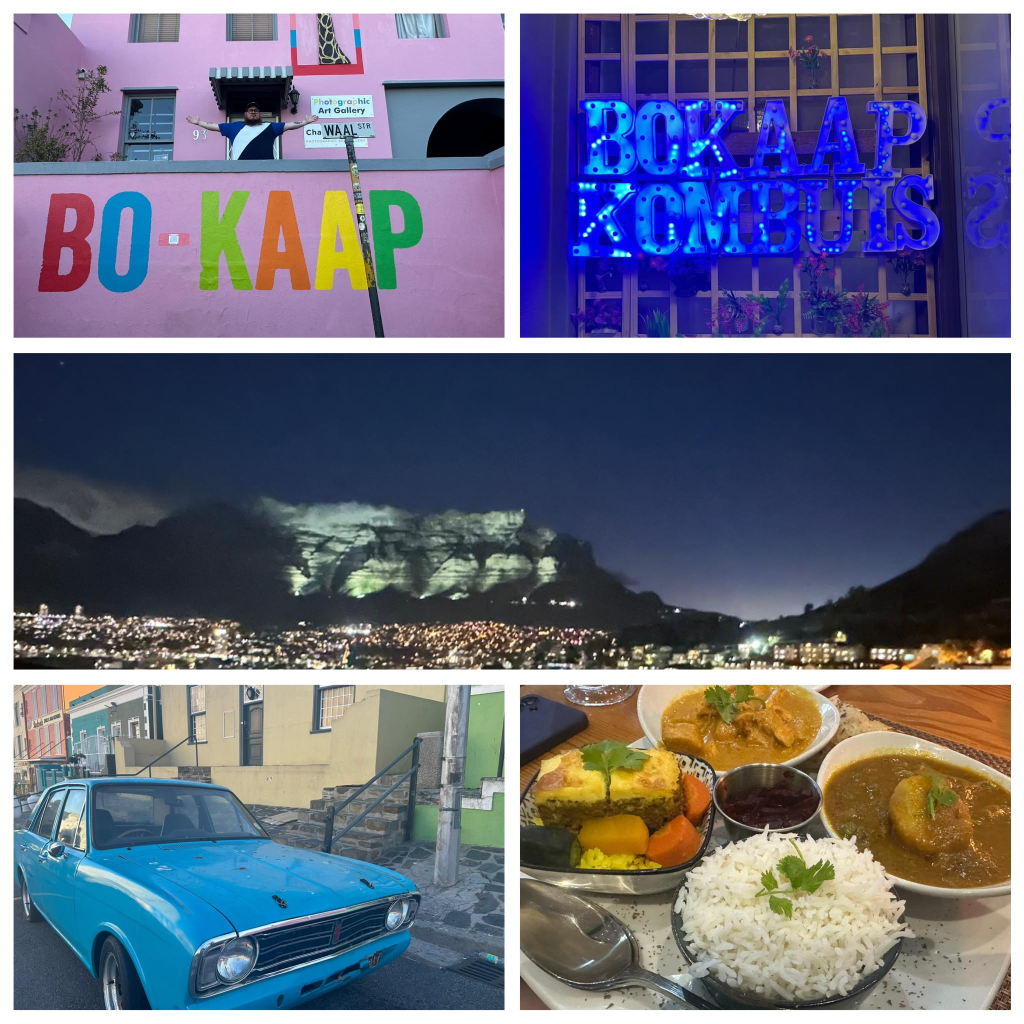
If you have seen photographs of Cape Town’s brightly coloured houses, there is a good chance you have already encountered Bo-Kaap. Situated on the slopes of Signal Hill, just above the city centre, this neighbourhood is one of Cape Town’s most distinctive and historically significant areas. Its roots stretch back to the eighteenth century. Many houses were originally built as rental properties for enslaved people, including people brought to the Cape from parts of Southeast Asia and elsewhere. The neighbourhood developed into an important centre of Cape Malay culture and remains home to generations of predominantly Muslim families. The colourful houses are beautiful, but Bo-Kaap is not simply a photogenic backdrop. It is a living community with a rich heritage, distinctive architecture, mosques, food traditions and stories that deserve to be understood and respected. Wander the cobbled streets, visit the Bo-Kaap Museum, learn a little about the area’s history and, of course, eat! I recommend Bo-Kaap Kombuis for traditional Cape Malay food and those wonderful views over the city towards Table Mountain. Cape Malay cuisine is a delicious reflection of Cape Town’s complicated history, combining influences from different parts of the world into something uniquely local. Think aromatic curries, fragrant spices, sweet-and-savoury dishes and comforting home-style cooking. Come hungry. You won’t regret it.
7. Kirstenbosch Botanical Garden
If you want to understand just how beautiful South Africa’s natural landscape can be, make time for Kirstenbosch. Nestled against the eastern slopes of Table Mountain, Kirstenbosch is widely regarded as one of the world’s great botanical gardens. It is particularly important for showcasing SA’s extraordinary indigenous plant life, including the unique fynbos vegetation of the Cape Floral Region.
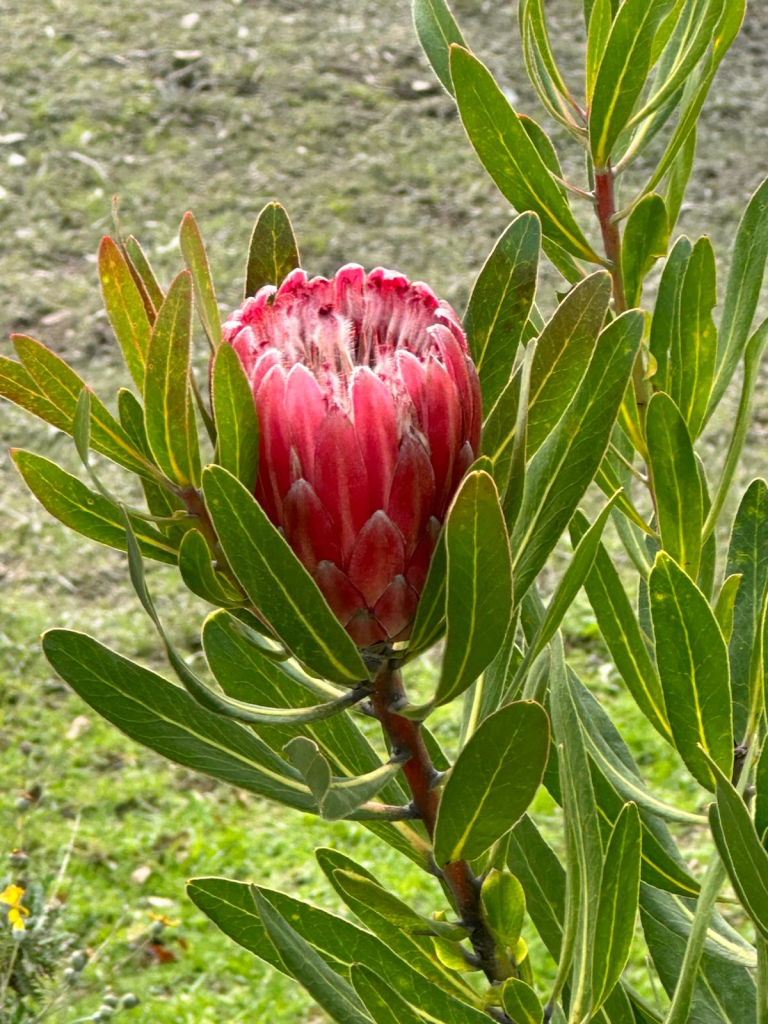
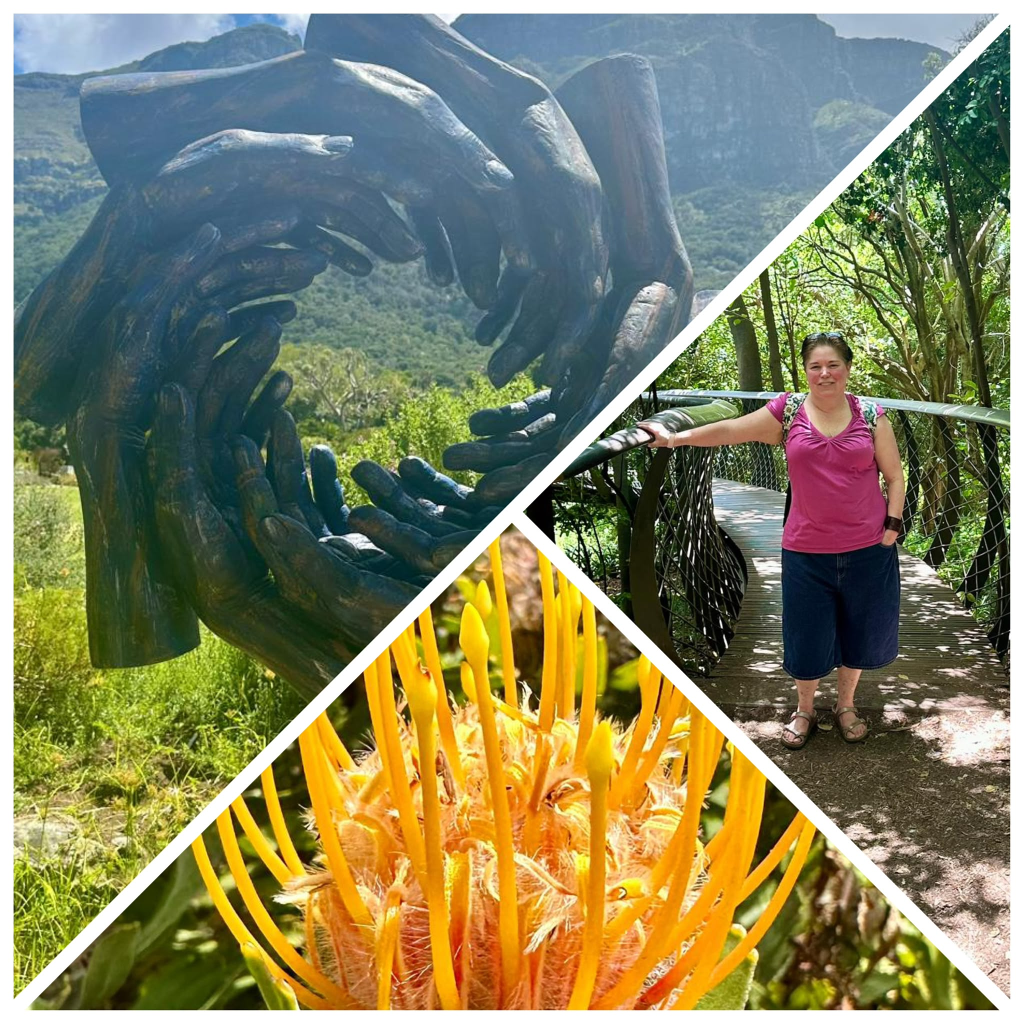
You could happily spend hours wandering the paths, admiring the plants and enjoying the mountain scenery. Don’t miss the Boomslang canopy walkway, a curved steel-and-timber structure that takes you above the trees and offers lovely views across the garden and surrounding landscape. But for me, Kirstenbosch is about more than plants. In summer, the garden hosts open-air concerts, where people spread blankets on the slopes, unpack picnic baskets and enjoy live music as the light fades over the mountain. There is something rather lovely about sitting on a blanket with friends, a picnic and a glass of something cold while the music drifts across the gardens. At Christmas, the carols by candlelight concerts are especially magical. If your visit coincides with one of the concerts, I would absolutely recommend it. Just check the programme, bring a blanket and enjoy.
8. Simon’s Town and Boulders Beach
Head down the peninsula to Simon’s Town, a historic seaside town with plenty of character.
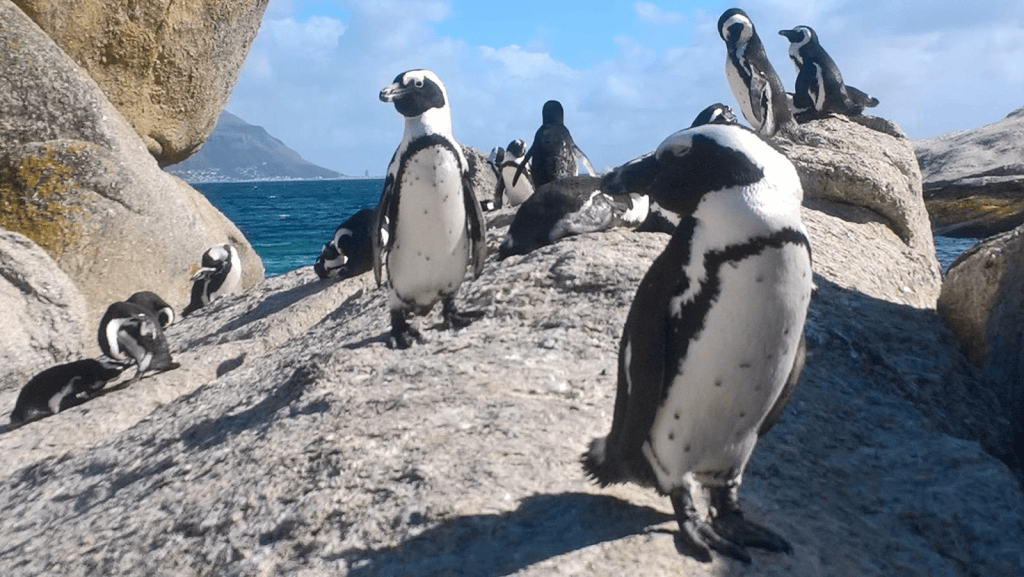
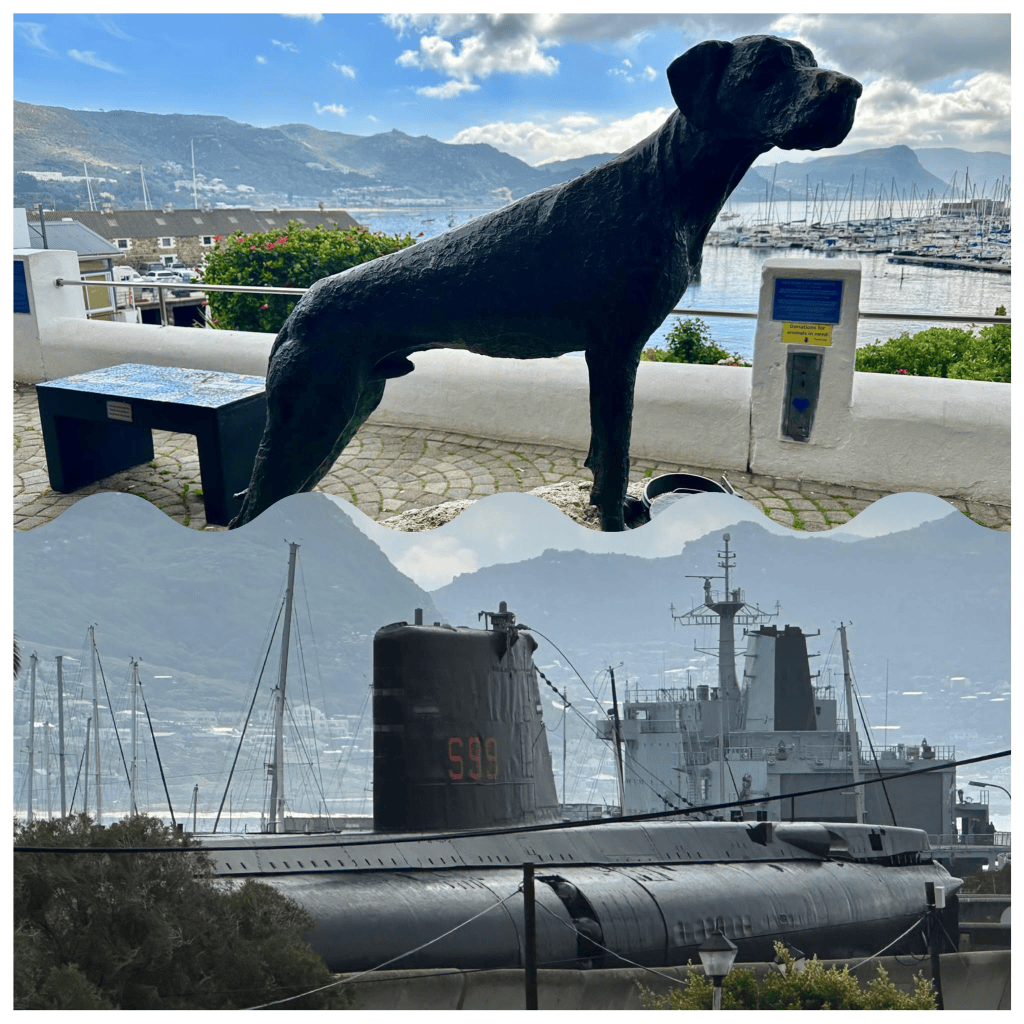
Simon’s Town has long been associated with the SA Navy, and its naval heritage is visible throughout the town. There is an interesting mix of historic buildings, antique shops, little museums and cafés, making it a lovely place to explore at a leisurely pace. You can visit the Just Nuisance statue, honouring the famous Great Dane who became an unlikely naval legend during the World War II (Just Nuisance was adopted by sailors and became the only dog officially enlisted in the Royal Navy, earning affection from servicemen who travelled through the town). There is also a toy museum and the South African Naval Museum for anyone interested in maritime history. Then, of course, there is Boulders Beach. This is one of the best places to see African penguins up close, thanks to the protected boardwalks and viewing areas within the national park. Watching these little characters waddle along the sand or disappear into the water is So cute!
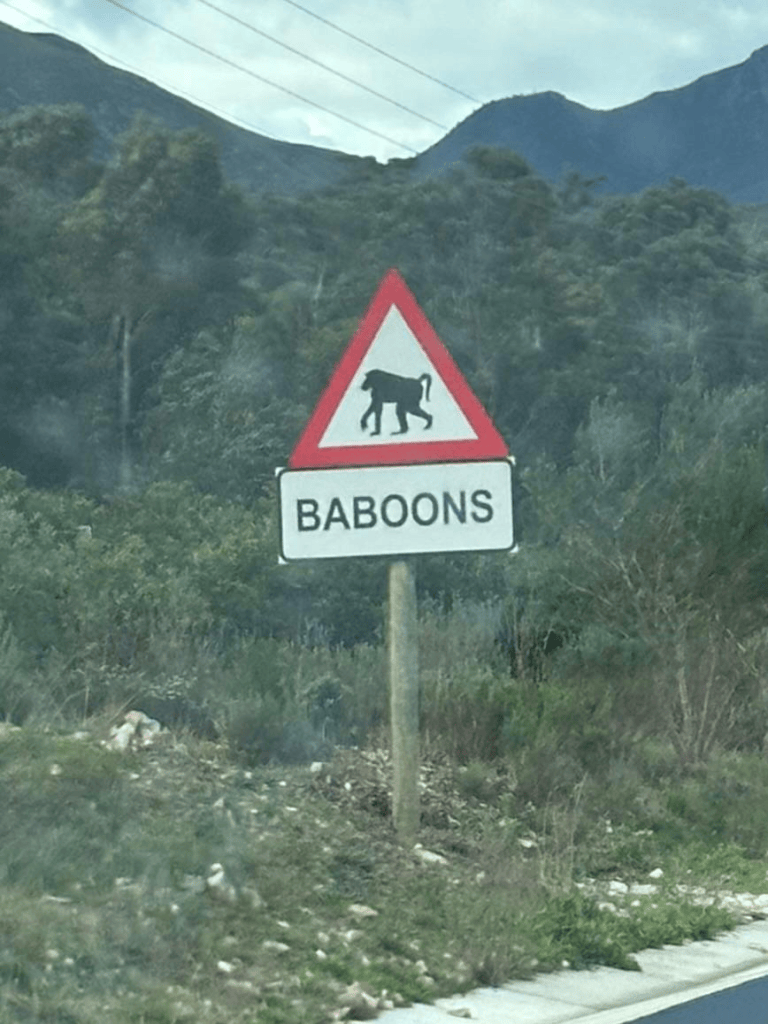
You may also encounter baboons in the wider peninsula area, so keep food safely stored. For lunch, I have fond memories of Bertha’s Restaurant overlooking the harbour. Simon’s Town is one of those places that rewards a slow visit. Don’t rush through simply to see the penguins. Enjoy the town too.
9. Cape Point, Ostriches and a Little Trip to Kommetjie
A day exploring the Cape Peninsula is one of the absolute highlights of a Cape Town visit.
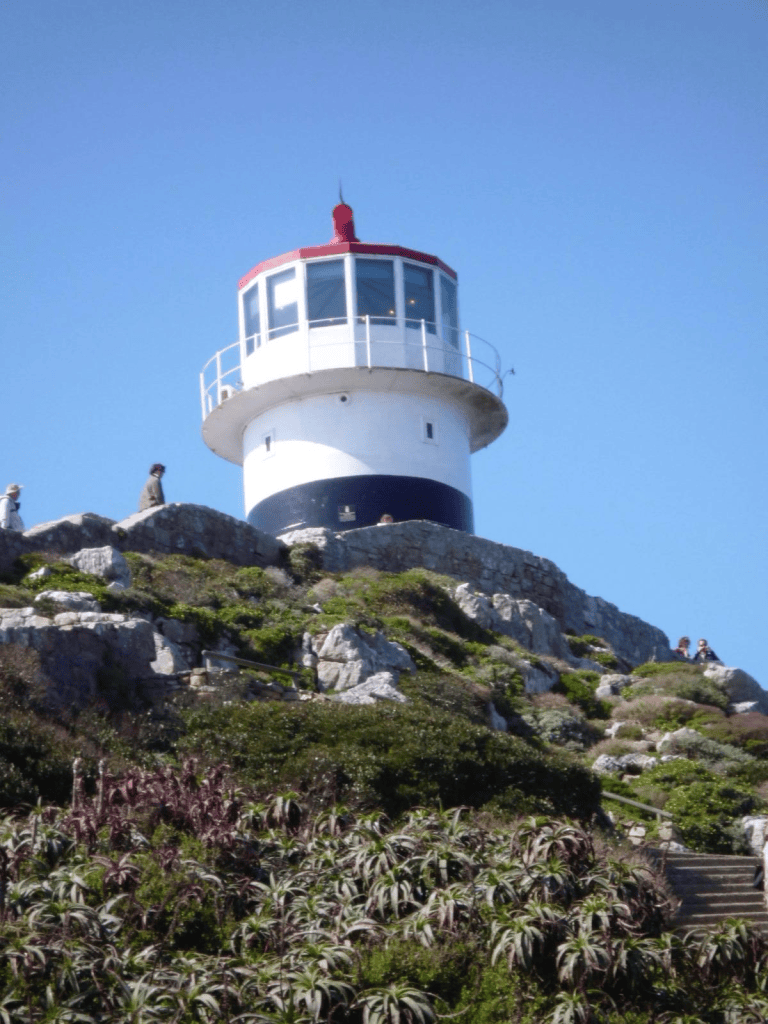
Cape Point sits within Table Mountain National Park and offers dramatic cliffs, walking trails, spectacular ocean views and a landscape that feels wonderfully wild. One little geographical clarification, because it is easy to get confused: Cape Point is not the southernmost point of Africa. That honour belongs to Cape Agulhas, further along the coast. Cape Point and the Cape of Good Hope are, however, among the most south-westerly points of the continent.
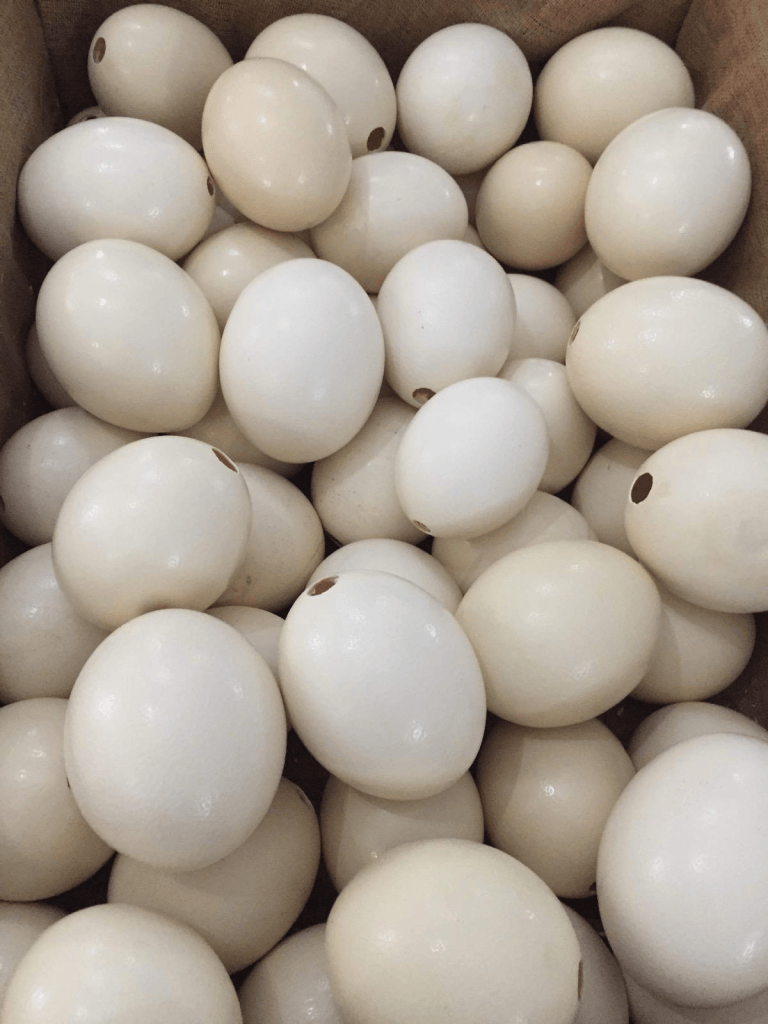
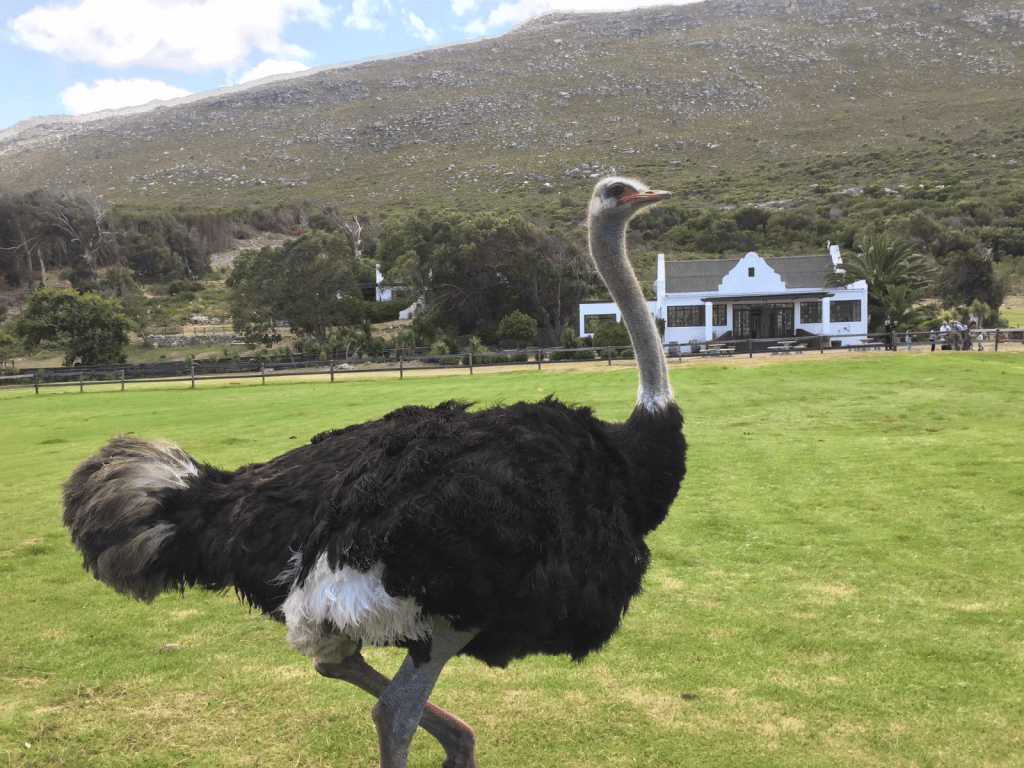
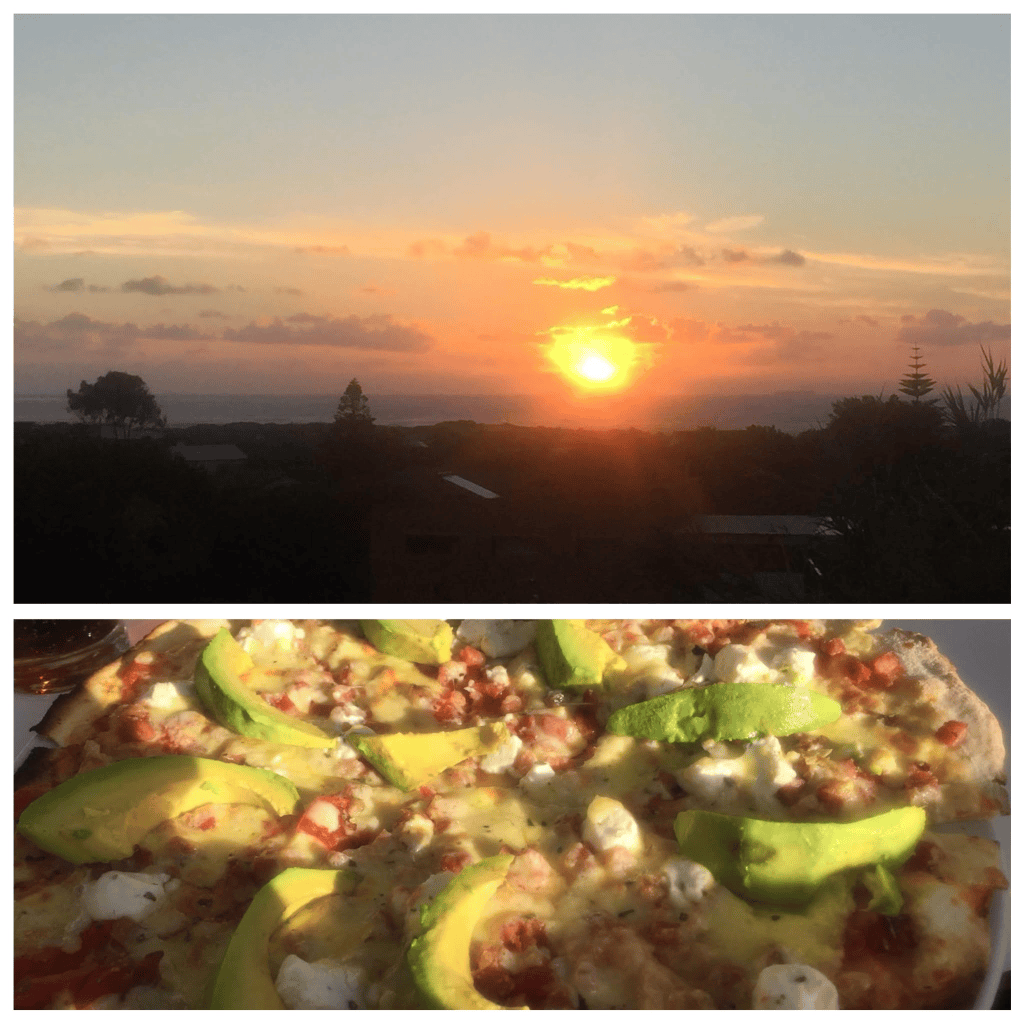
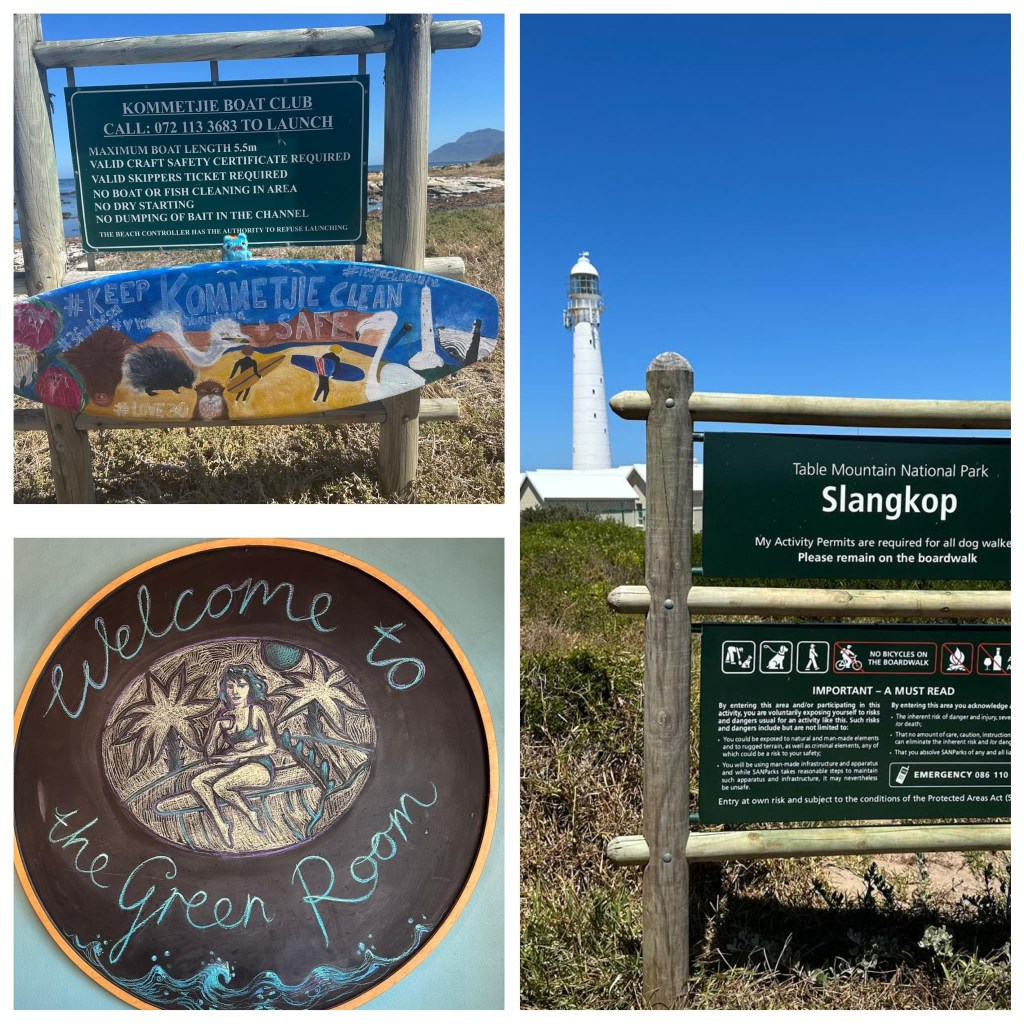
The scenery is magnificent, and the combination of rugged coastline, fynbos and open ocean. Depending on your route, you can stop at an ostrich farm along the way. On your way back, make a detour to Kommetjie, a lovely seaside village that holds a special place in my heart. Kommetjie has a more laid-back, local feel than some of the better-known tourist hotspots. It has a beautiful stretch of coastline, a strong surfing culture and the striking Slangkop Lighthouse, which stands proudly above the surrounding landscape. There is something about this part of the peninsula that makes you want to slow down, breathe deeply and remember what a privilege it was to live here near the sea. I never travel through this part of Cape Town without stopping at either Imoff Farm or Noordhoek Farm Village for local produce and crafts. Then head towards Noordhoek and stop at the Red Herring if it fits your plans. Find a seat on the deck, order the best pizza in the world and a cider, and watch the sun sink towards the horizon. If you time it right, you may even see Slangkop Lighthouse come into action as darkness falls.
10. Wine Tasting in Constantia
You cannot come to the Western Cape and ignore the wine. Well, you can, obviously, but I would question your priorities. The Constantia wine valley is particularly convenient if you are staying in Cape Town and want to experience the winelands without committing to a full day trip. Beau Constantia is a beautiful setting for wine tasting, with vineyards sweeping down the slopes and views across the valley. It combines good wine with a rather impressive setting. Other estates worth considering include Klein Constantia, Groot Constantia and Steenberg. Groot Constantia is particularly interesting historically as it is widely recognised as South Africa’s oldest wine-producing estate. Klien or Groot, each estate has its own character, so do a little research and choose the experience that appeals to you. There are also some excellent places to eat in the area, including Little Stream, Peddlars on the Bend and other restaurants around Constantia and Constantia Nek. My advice? Book ahead, don’t try to cram too many estates into one afternoon, and make sure someone is keeping an eye on the driving arrangements.

11. The South Peninsula Coast: Muizenberg, St James and Kalk Bay
If I had to choose one stretch of coastline that captures the relaxed, slightly bohemian side of Cape Town, this would be a serious contender. Muizenberg, St James and Kalk Bay each have their own personality, and they are easy to combine into a lovely coastal outing.
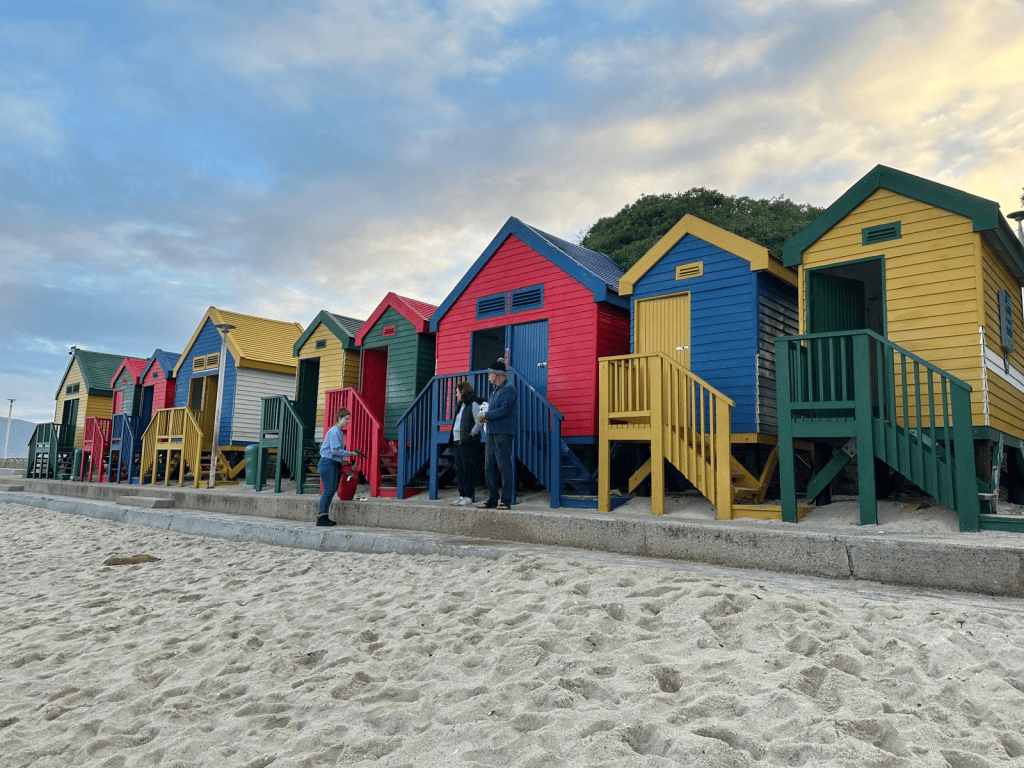
Muizenberg is famous for its colourful beach huts and surfing culture. It has long been a popular place to learn to surf, with surf schools, cafés and a wonderfully relaxed atmosphere (I got my first tattoo here). Even if you have absolutely no intention of standing on a surfboard, it is a great place to wander and watch everyone else attempt to remain upright.

St James is known for its colourful beach huts and tidal pool. It is a lovely spot for a dip.
Kalk Bay is my kind of place. It has independent shops, antique dealers, art galleries, little cafés and restaurants, all wrapped around a working harbour.
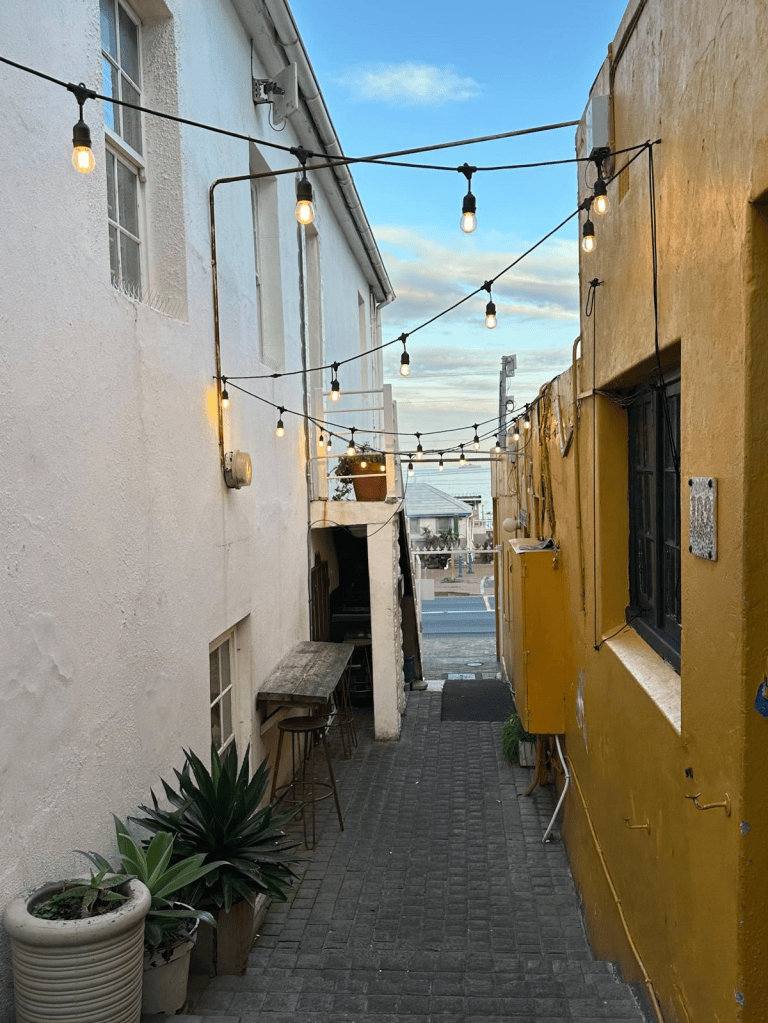
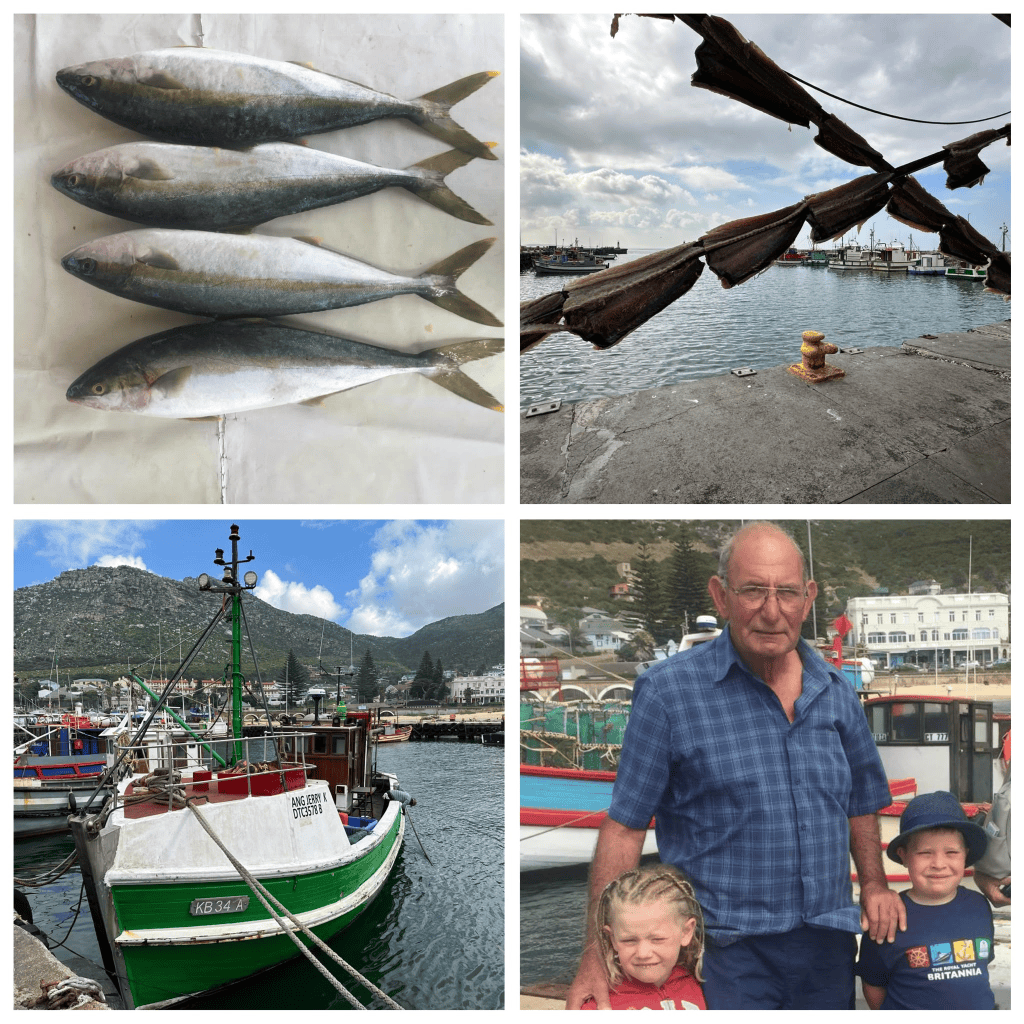
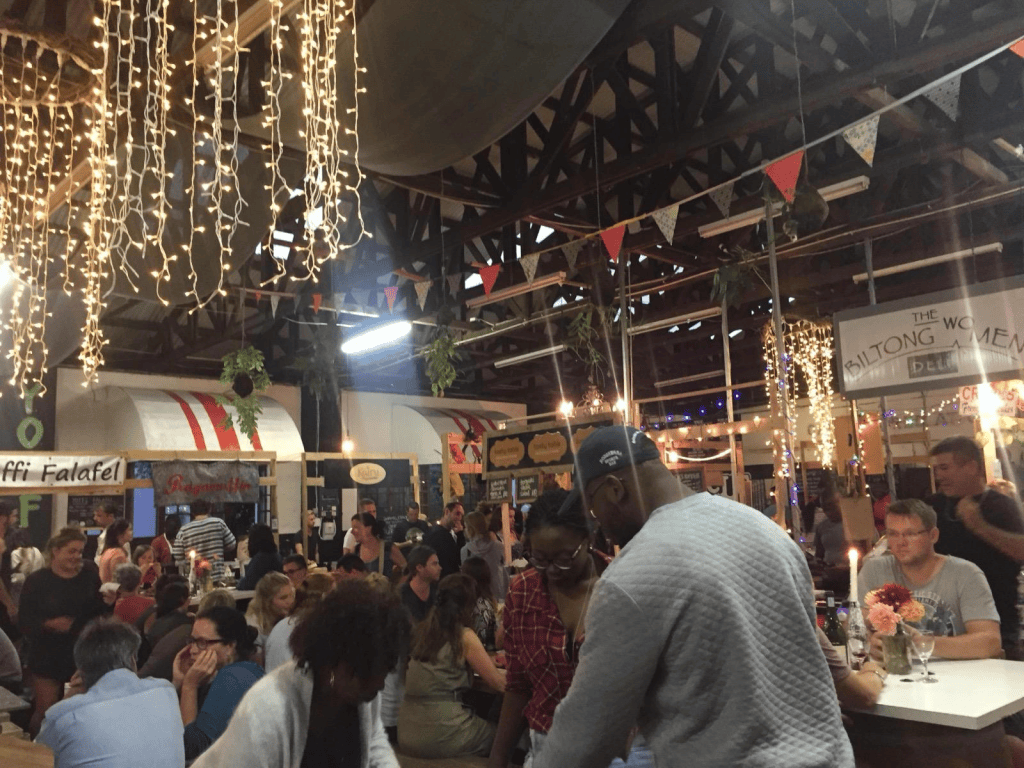
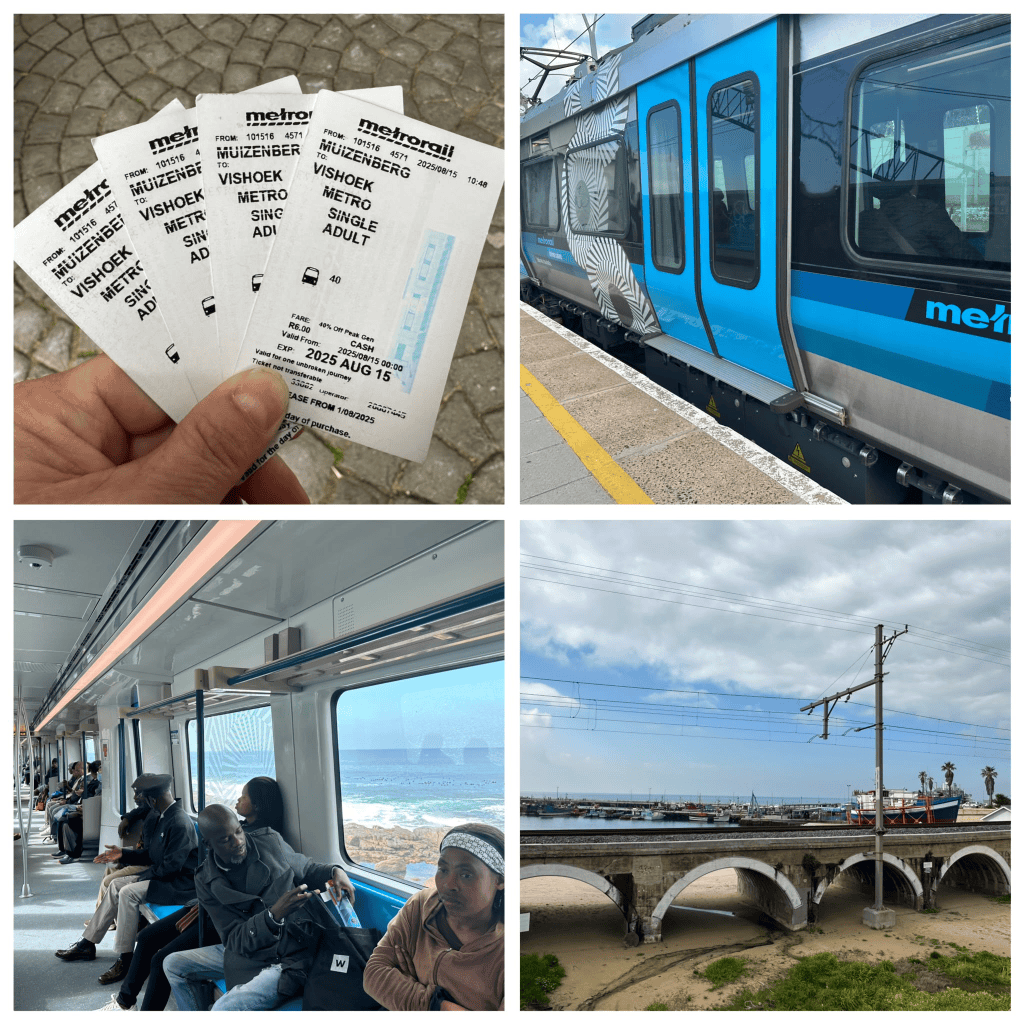
Watch the fishing boats, see the seals around the harbour and, if you are lucky, catch the fish sellers bringing in the day’s catch (My dad used to be one of them). And please, if you enjoy fish and chips, make time for Kalky’s at the harbour. There is something wonderfully unpretentious about eating fresh fish beside the water like a local ek se. Other places to consider include Knead Bakery and Tiger’s Milk, depending on where you stop and what you fancy. Dont hesitate to explore this area by local train. A ride along the coast is cheap and safe. If you are visiting at the weekend, look out for the Blue Bird Garage Market in Muizenberg. Housed in a former plane hangar, it brings together food vendors, crafts, local designers and a lively mix of people. It is a great place to meet friends, sample different dishes and feel a little more like a local than a tourist.
This whole stretch is best enjoyed without a rigid timetable. Park, walk, browse, eat, watch the ocean, repeat.
12. The Northern Suburbs and That Famous Table Mountain View
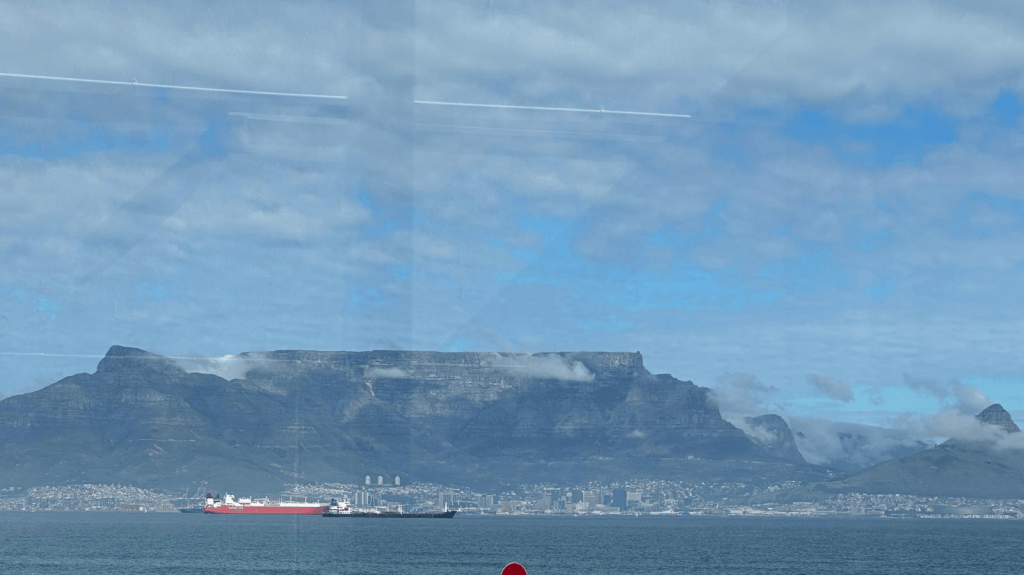
I will confess that I didn’t spend nearly enough time exploring Cape Town’s northern suburbs when I lived there, so I am not going to pretend to be an expert on every corner of the area. But there is one thing I do know: if you want that classic photograph of Table Mountain rising across the bay, head towards Bloubergstrand or Milnerton. The view of the mountain from across Table Bay is one of the most iconic Cape Town scenes. On a clear day, the mountain looks almost impossibly dramatic against the sky, with the ocean in the foreground. It is also a wonderful place to watch the sunset. Places such as Doodles, The Blue Peter and Bossa at Woodbridge Island are among the names you might consider for a drink, a meal or a relaxed evening overlooking the water. Check current opening times and choose somewhere that suits your plans. Blouberg is also popular with kiteboarders and windsurfers, so you may see a colourful collection of sails and kites dancing across the sea.
Just be warned: the wind can be fierce. Cape Town is not always the gentle, sun-kissed paradise portrayed in holiday brochures. Sometimes it feels as though someone has opened the door to a giant industrial fan.
13. Camps Bay, Clifton, Llandudno, Hout Bay and Chapman’s Peak
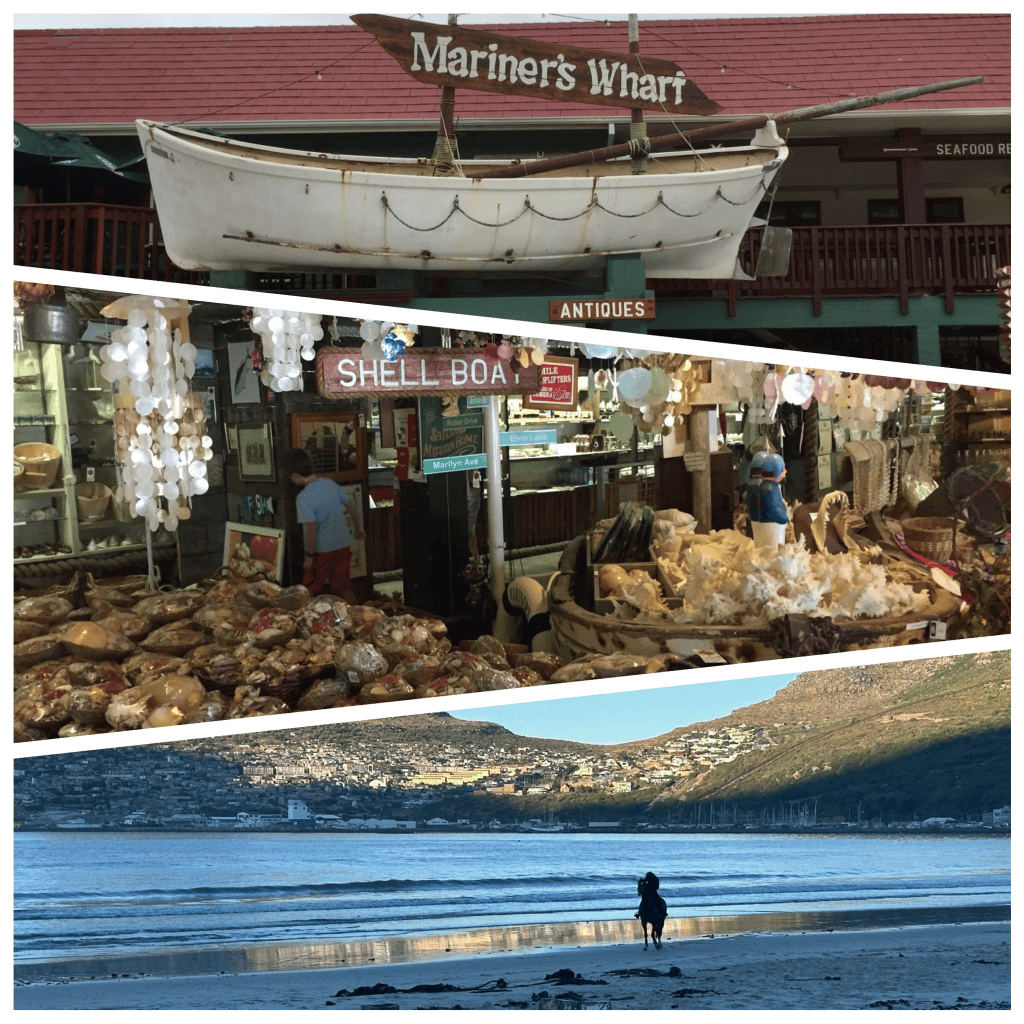
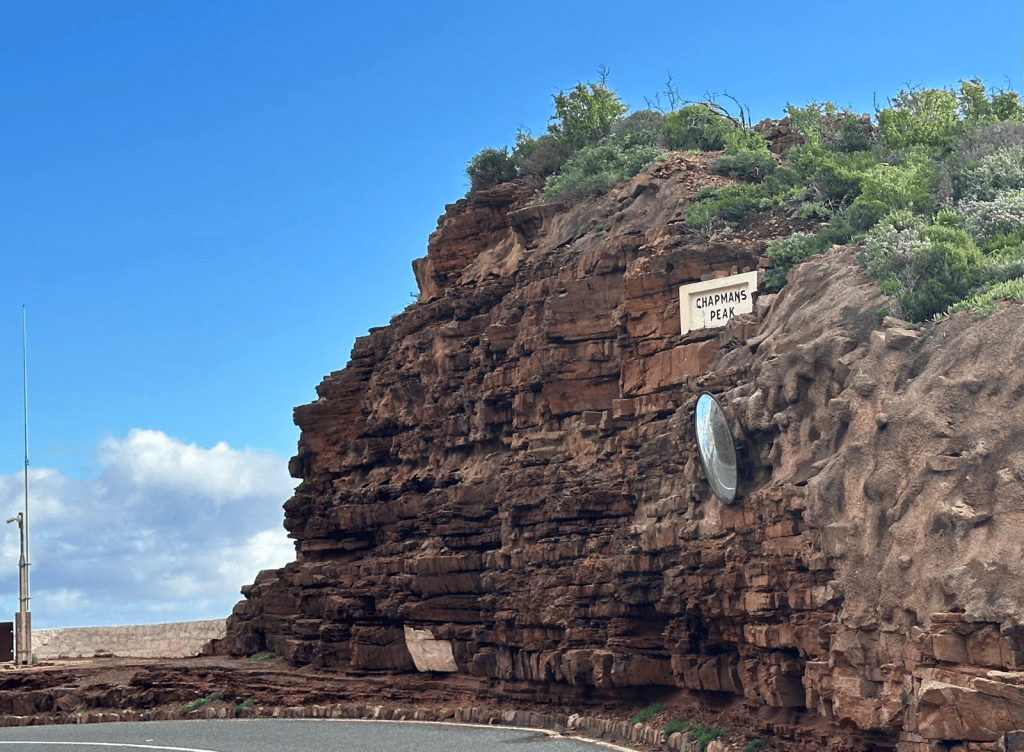
If your idea of a perfect holiday involves beautiful beaches, dramatic coastal roads and a long lunch, this area is for you. Camps Bay is one of Cape Town’s most famous beaches, backed by the Twelve Apostles mountain range and lined with restaurants and cafés. It is glamorous, lively and popular with visitors. You may see expensive cars, stylish people and the odd celeb. Clifton has a series of beautiful sheltered beaches tucked between boulders. The beaches are spectacular, although the Atlantic water is cold. If you prefer somewhere quieter, continue towards Llandudno. It has a more secluded feel, beautiful scenery and a lovely beach. Then head to Hout Bay, a charming harbour town with a beach that is popular for morning walks and swims. You can explore the harbour, browse local stalls or enjoy a meal at Mariners Wharf. From there, take the famous Chapman’s Peak Drive if it is open and conditions permit. The road winds along the cliffs between Hout Bay and Noordhoek, with spectacular views over the Atlantic Ocean. Peak Drive was engineered into the steep coastal mountainside and is an impressive feat in its own right. It is also a reminder that in Cape Town, the journey can be every bit as memorable as the destination. You could also stop at Suikerbossie for a meal or drink, or catch a performance at Theatre on the Bay in Camps Bay.
14. Live Entertainment, Sport and the Arts
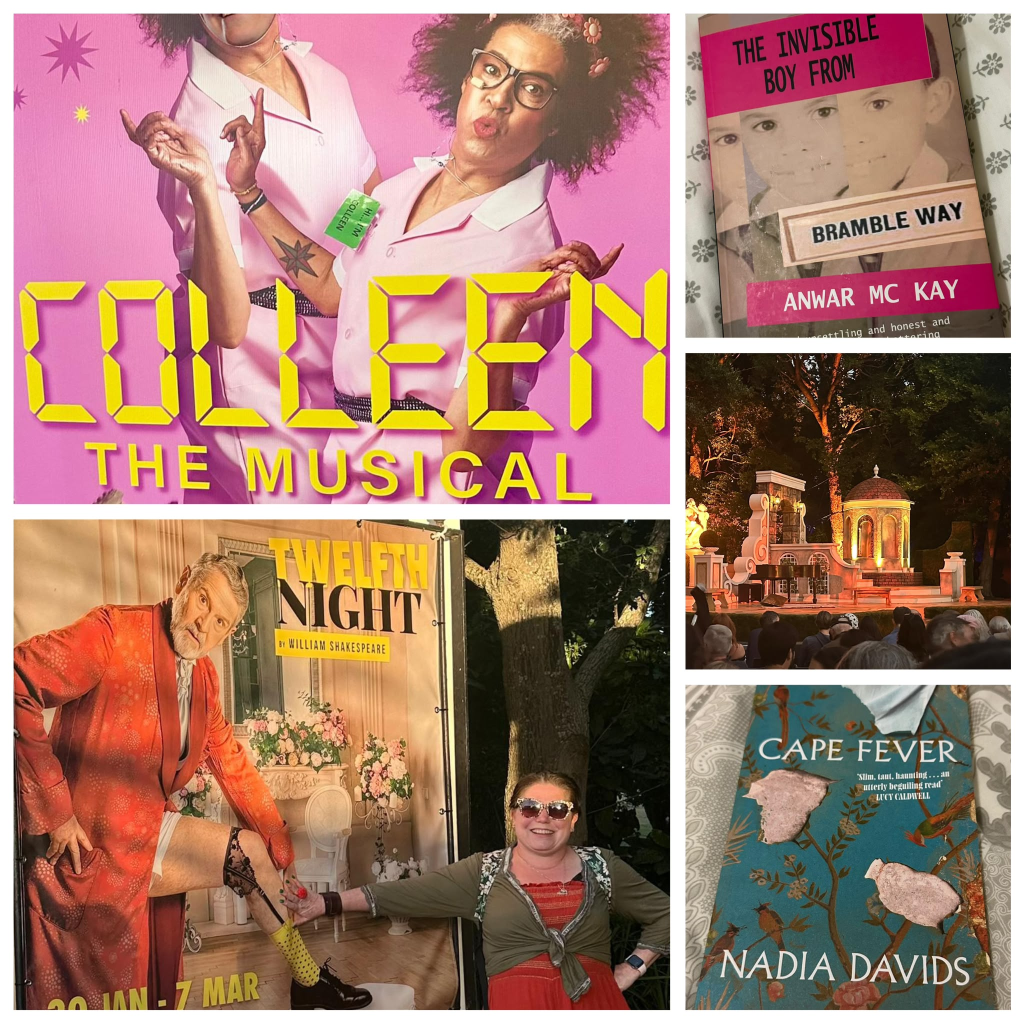
South Africa is rich in arts, culture and live entertainment, and Cape Town has plenty to offer beyond its beaches and scenery. If you enjoy theatre, look at the programme at the Maynardville Open-Air Theatre in Wynberg. Its summer productions, particularly Shakespeare, have a long-standing place in Cape Town’s cultural calendar. The Baxter Theatre in Rondebosch hosts theatre, comedy, music and other performances, while Artscape in the city centre offers a varied programme that includes ballet, opera, theatre and orchestral performances. There are also numerous smaller venues hosting live music, comedy and local productions. Check what’s on during your visit, because you may discover something wonderful that you would never have found by sticking to the usual tourist itinerary.
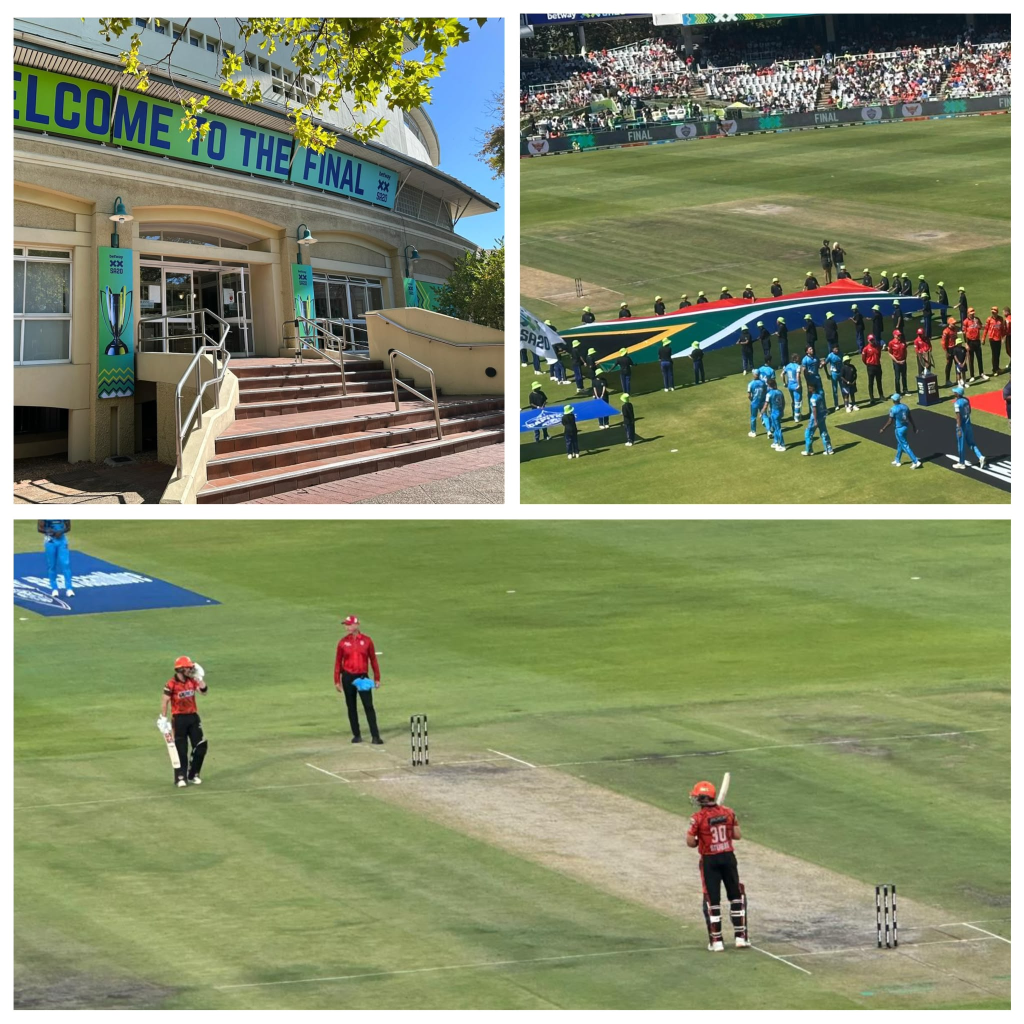
And if sport is more your thing, you have plenty of options. Look for rugby or football at DHL Stadium, or a cricket match at Newlands Cricket Ground. Newlands is a particularly atmospheric place to watch cricket, with the mountain providing a magnificent backdrop. Ive been to many cricket stadiums but Newlands remains my favourite. South Africans take their sport seriously (especially if playing against Australia). Depending on the fixture, you may find yourself swept up in the excitement even if you arrived knowing very little about the rules.

Just learn a few appropriate celebratory phrases beforehand. It may improve your chances of blending in. RABADA JOU LEKKER DING
15. A Dip at Sea Point Pavilion and a Stroll Along the Promenade
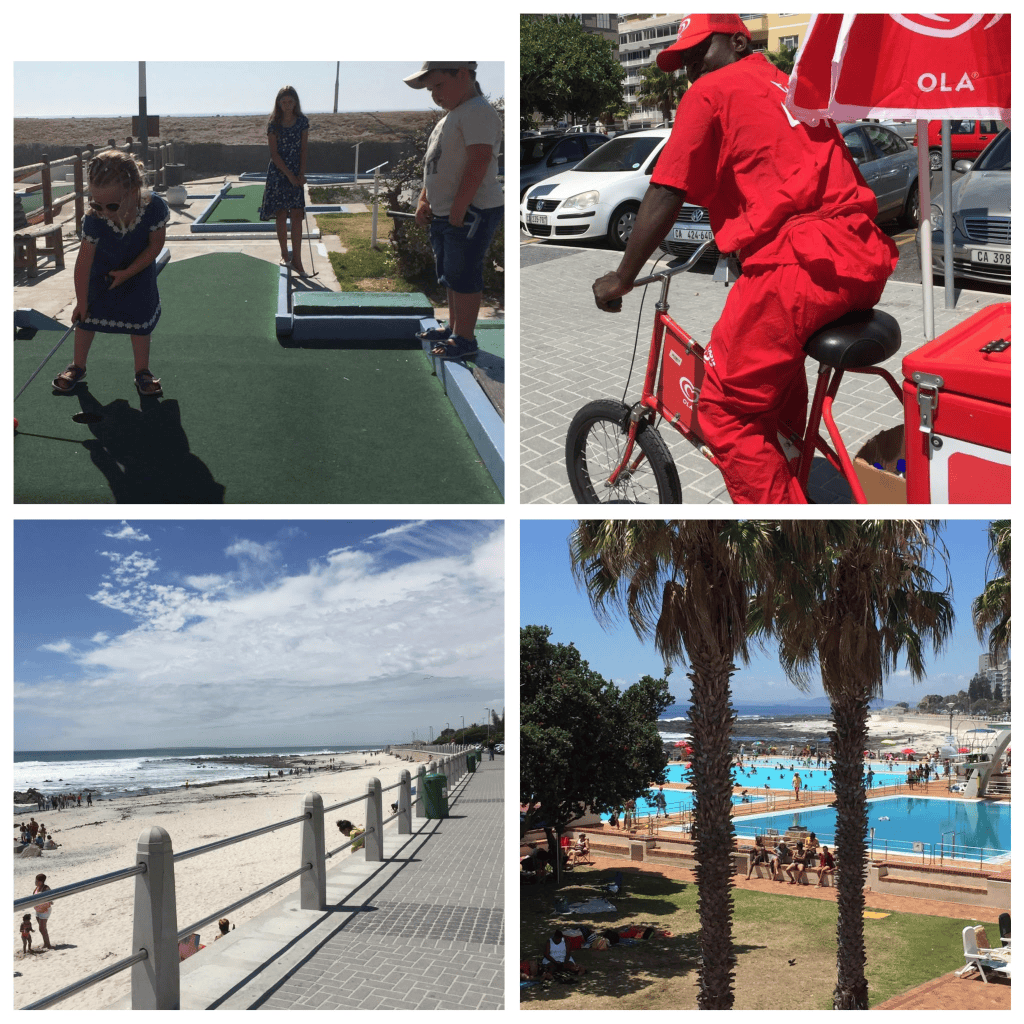
One of my favourite simple pleasures in Cape Town is a dip at the Sea Point Pavilion swimming pools, followed by a leisurely walk along the Sea Point Promenade. The saltwater pools are right beside the Atlantic, with the mountains behind you and the ocean stretching out in front. The water can be bracing, so consider it an invigorating experience rather than a spa day! Afterwards, treat yourself to an ice cream from one of the local vendors and wander along the promenade, watching the joggers, cyclists, families, dog walkers and people simply out enjoying the fresh air. It’s not an expensive excursion or a grand tourist attraction, but that’s precisely the point. Sometimes the best way to experience a city is to do something ordinary alongside the people who call it home. And an ice cream by the sea is always a good idea in my book!
Take a Township Tour – One on my to do list.
This is one for my own to-do list, because it is something I have not yet experienced in the way I would like to. When you fly into Cape Town, the mountain may be the first thing that catches your eye. But looking out of the aircraft window, you will also see extensive residential areas and informal settlements that tell another part of the city’s story. Cape Town is a city of extraordinary beauty and profound economic inequality. The legacy of apartheid-era forced removals, segregated neighbourhoods and unequal access to housing and services remains visible in the way the city is laid out today. A township tour led by a knowledgeable local guide can help visitors understand these realities through the experiences of people who live there. Rather than simply driving through and taking photographs, I would look for a responsible, community-led walking tour that offers genuine opportunities to learn about everyday life, local history, culture, food, entrepreneurship and the challenges communities face. The best experiences should be based on mutual respect, with local people benefiting from the visit and having a say in how their stories are shared.
I think this could be a valuable way to understand Cape Town beyond the blogs and insta posts. It is easy to fall in love with the scenery, but understanding the people and the history makes that connection richer. It is firmly on my list for next time.
Day Trips from Cape Town
If you have more than a few days, there is a whole world beyond the city waiting to be explored.
1. The Winelands: Stellenbosch, Franschhoek and Beyond
Franschhoek, Stellenbosch and the surrounding countryside offer beautiful scenery, historic architecture, wine estates and some excellent food. The Franschhoek Wine Tram is a popular way to explore participating wine estates without having to drive between them yourself. Its hop-on hop-off format makes it easy to plan a leisurely day, although you should check the current routes, timetables and booking arrangements. Stellenbosch is particularly lovely for its historic streets, university atmosphere, oak trees and wine farms.
If you prefer a more relaxed day, consider spending time at Spier, where you can combine wine tasting with food, art and a stroll around the estate. Depending on your plans, it can also work well for an overnight stay (We did this and highly recommend). There are plenty of other places worth exploring, including farm shops, local markets and cheesemakers such as Fairview in the Paarl area. And if you are travelling with children or simply enjoy a bit of nostalgia, look out for seasonal farm activities, strawberry picking and other local experiences. The Winelands are ideal for a day when you want to slow down and enjoy the countryside.
2. Hermanus: Whale Watching
If you are visiting at the right time of year, a day trip to Hermanus is a wonderful option.
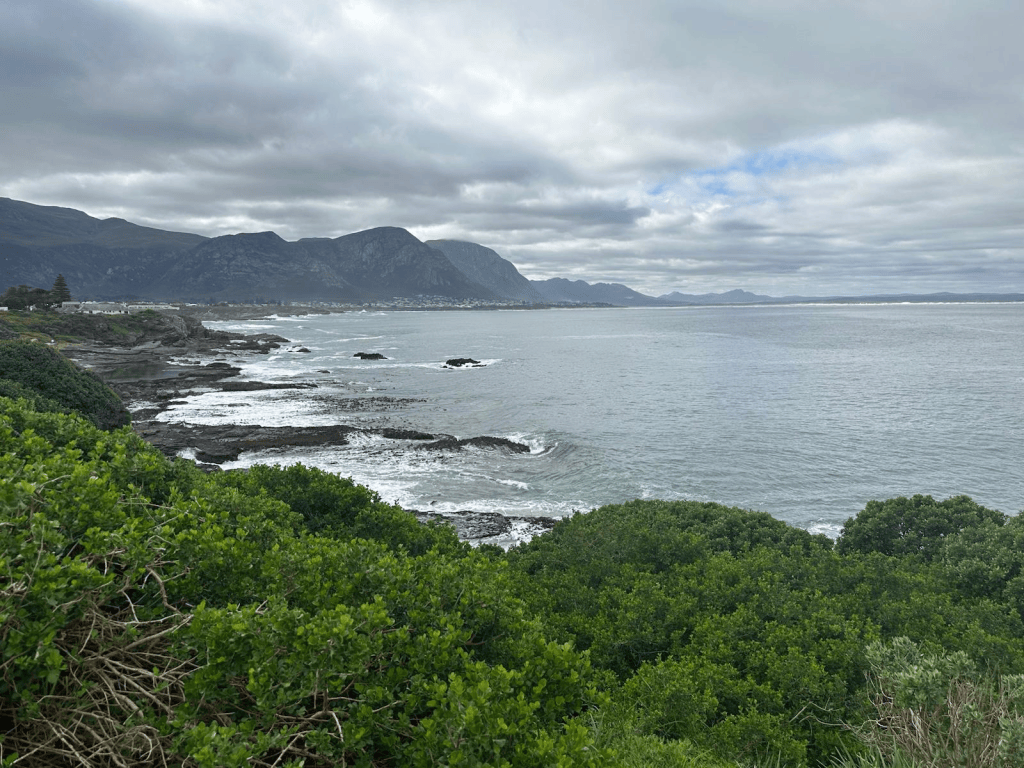
The town is famous for land-based whale watching, particularly during the southern right whale season, generally from around June to November, with sightings often especially good between September and November. You may be lucky enough to see whales from the coastal paths without ever stepping onto a boat. Watching these enormous creatures surface, breach or move through the water is a genuinely memorable experience.
Hermanus also has lovely cafés, restaurants, art galleries and coastal walks, so there is plenty to enjoy even if the whales decide to be elusive. Check local sightings and seasonal information before you travel, and allow enough time for the drive.
3. Aquila Game Reserve: A Safari Experience
If you want a taste of safari while based in Cape Town, Aquila Private Game Reserve is one option for a day trip. Located inland from the city, it offers guided game drives and opportunities to see wildlife in a reserve setting. It can be a convenient introduction to South Africa’s wildlife if you don’t have time to travel further afield to one of the country’s larger national parks.
4. All Aboard for the Elgin Railway Market
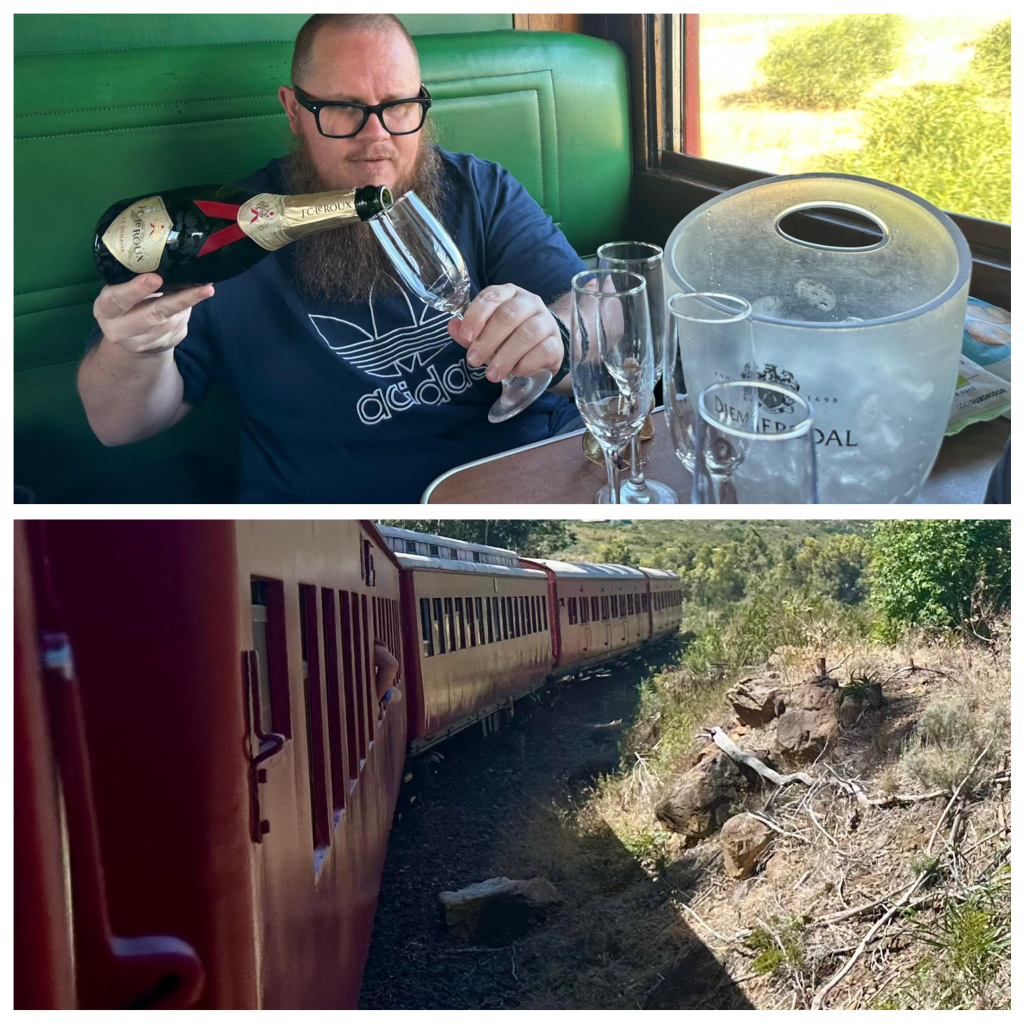
Now, this is a day trip with a difference! If you fancy combining a vintage train journey with good food, local crafts and a little countryside adventure, hop aboard the heritage train from Cape Town to the Elgin Railway Market. The journey takes you through the beautiful Western Cape countryside, climbing over the spectacular Sir Lowry’s Pass before descending into the Elgin Valley. The train ride itself is part of the experience, with the nostalgia of vintage railway. Your destination is an old apple warehouse transformed into a wonderfully quirky market, combining Art Deco and steampunk styling. Inside, you’ll find an eclectic mix of food stalls, local wines, craft gins, handmade jewellery, independent traders and live music. Whether you fancy a curry, a burger, something sweet or a browse for a unique souvenir, there’s plenty to keep you occupied. The market is also a great opportunity to support local makers and food producers, while enjoying a taste of the beautiful Elgin Valley, an area well known for its apple orchards and cool-climate wines.
A Few More Things Worth Considering
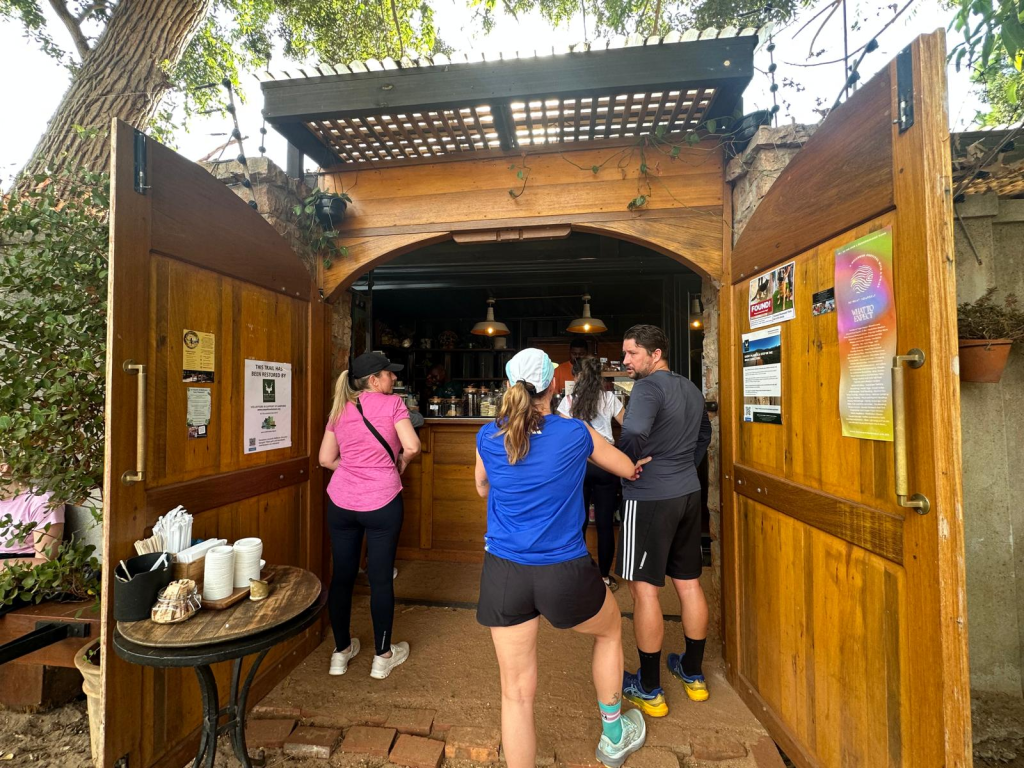
There is so much more to Cape Town than I could squeeze into a Top 15. If you enjoy history, consider visiting the Castle of Good Hope, one of the oldest surviving colonial-era buildings in South Africa. It dates back to the seventeenth century and offers a fascinating insight into the city’s early colonial history. If you enjoy exploring less touristy neighbourhoods, Observatory has a distinctive alternative feel, with independent cafés, second-hand shops, art and a lively student atmosphere. For walkers, there is Lions Head, which offers spectacular views over the city and ocean. It is a popular hike, particularly around sunrise and sunset, but choose your route carefully, check the conditions and avoid hiking alone in isolated areas. Tokai Forest (Stop at Secret Forest Café) and Newlands Forest are also worth exploring if you want some greenery and shade away from the beaches.
Cape Town is a Mecca for outdoor enthusiasts. Cycling, trail running, surfing, paddling and swimming all have devoted followings. The Cape Town Cycle Tour and the Two Oceans Marathon are major events that attract participants from across South Africa and beyond.
If your visit coincides with one of them, be prepared for road closures, crowds and a city buzzing with excitement.
Please support local businesses wherever you can.

Buy from the market stallholder. Visit the independent bookshop. Pick up a piece of art from a local artist. Eat at the family-run restaurant. Buy a handmade souvenir from the person who made it. Cape Town has an enormous amount of creativity and entrepreneurial talent. Spending your money locally helps support the people and communities that make the city what it is.
Where to Eat: A Few Suggestions
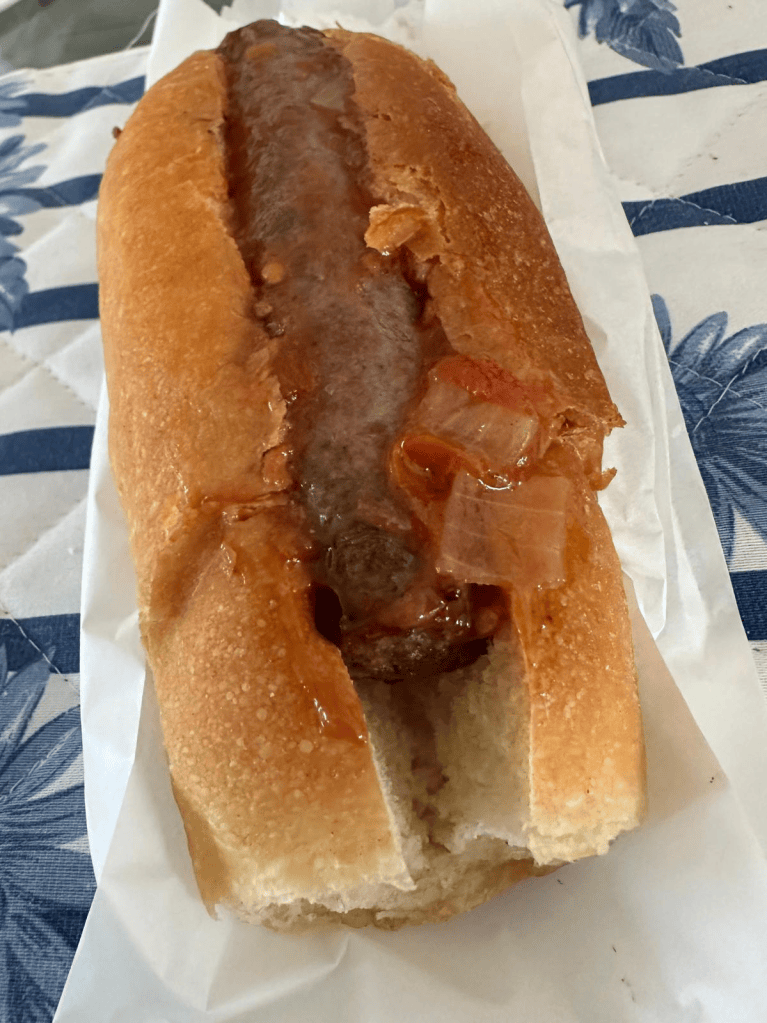
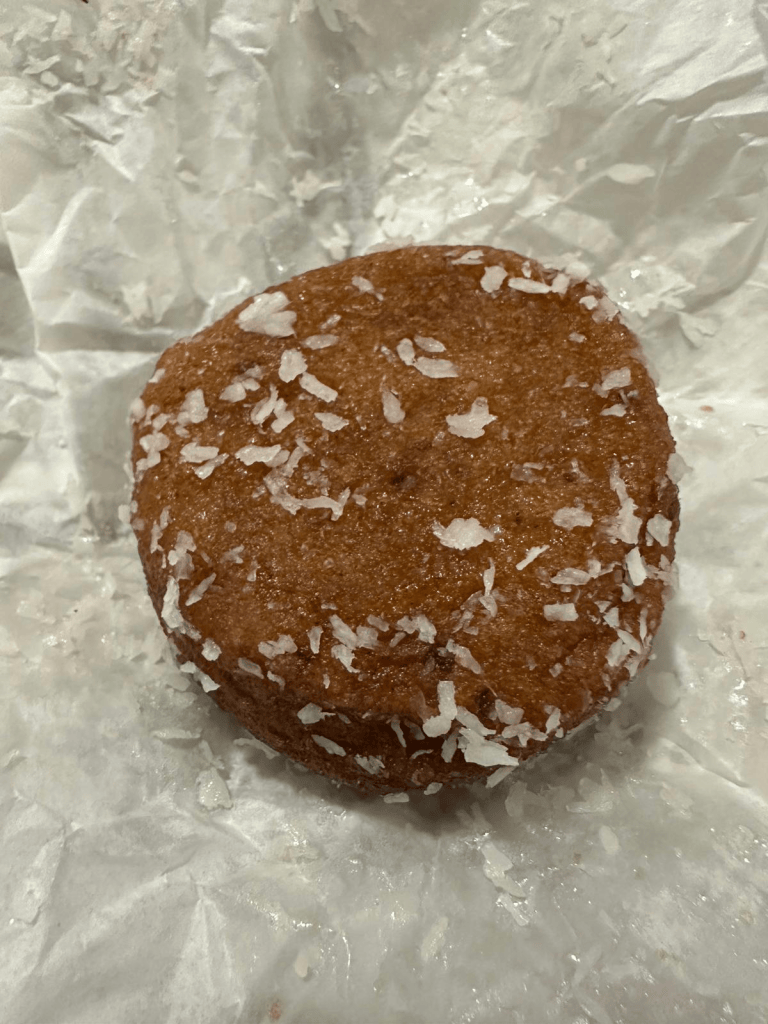
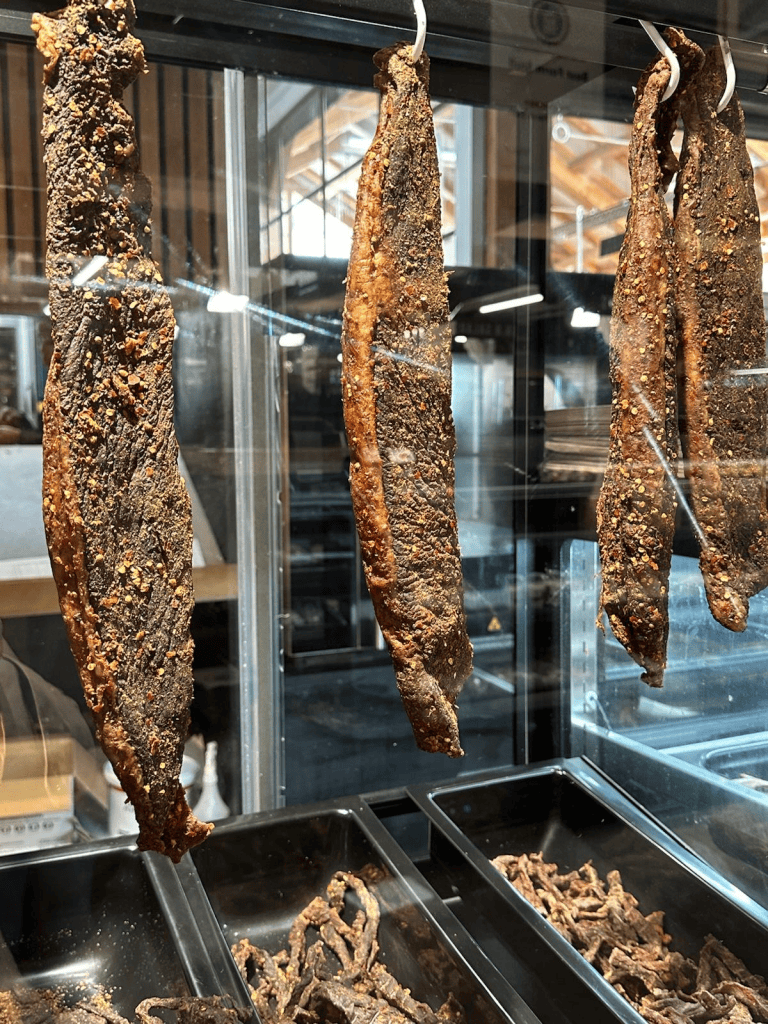
No Cape Town guide would be complete without food recommendations. South African food culture is wonderfully diverse, influenced by the many communities that have shaped the country. Cape Malay curries, fresh seafood, braai, farm-style cooking, pastries, excellent coffee and world-class wine all have a place at the table. Here are a few names to investigate, depending on where you are staying and what you fancy.

Restaurants and places to try that I like:
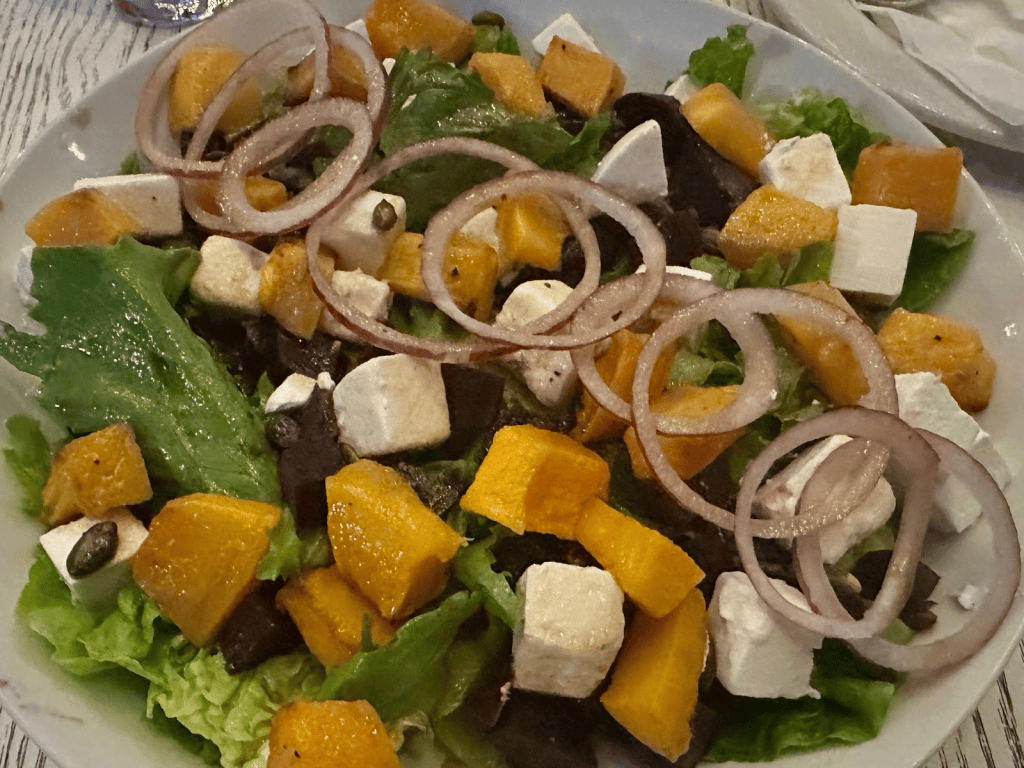
The Hussar Grill – a long-established South African steakhouse group, worth considering if you fancy a traditional steak dinner.
The Backyard Café – a name to look into for a more relaxed café-style meal; check the current venue and menu before planning a visit.
Lime Tree Cafe – A welcoming local favourite for delicious breakfasts, homemade dishes, freshly baked treats and relaxed meals with friends, with a deli. Pick up your Norma’s bakes here!
Sometimes you don’t need a fancy restaurant. You just want something familiar, affordable and reliably South African. A few names you may come across include:
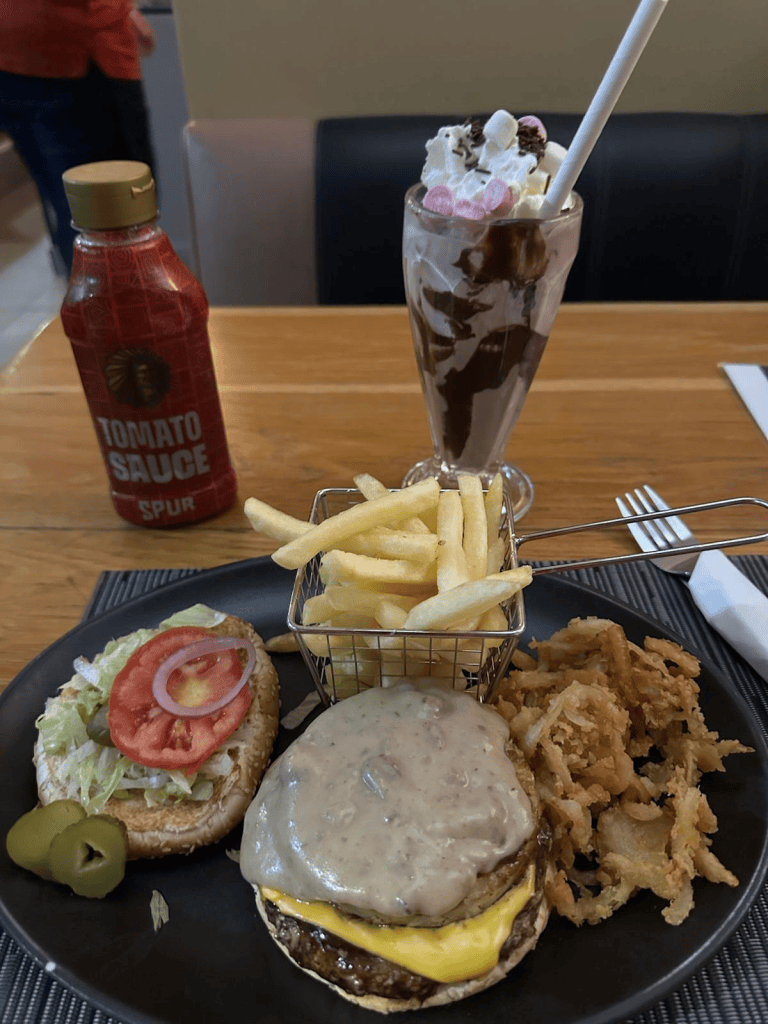
Spur – a family-friendly South African restaurant chain, famous for its steaks, burgers and generous portions.
Mugg & Bean – a popular choice for breakfast, coffee, brunch and café-style meals.
Wimpy – a familiar South African institution for a straightforward breakfast or burger.
Ocean Basket – a seafood chain offering fish, prawns, calamari and sushi (not for me being sea food intolerant).
Marcel’s frozen yoghurt – the fudge topping is the best
Nandoes – did you know, Nandoes is in fact, South African?
Bootlegger Coffee Company – a South African coffee brand with cafés serving coffee, brunch and light meals.

A Word About Safety
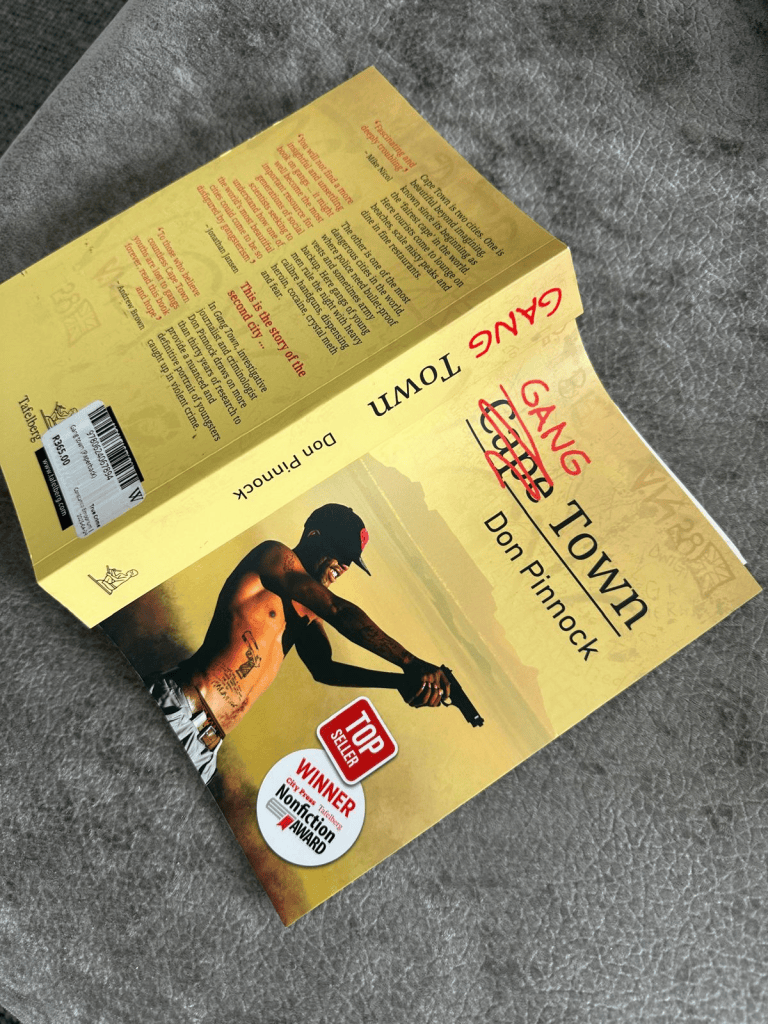
I don’t want to finish a Cape Town guide without mentioning crime, because it is something visitors should take seriously and another thing I am always asked about.
Cape Town is a beautiful city, but it is also a large urban area with significant inequality, deprivation and crime. Like many cities around the world, some neighbourhoods and situations carry greater risks than others. The answer is not to panic, nor is it to pretend that risks don’t exist. Be sensible and take the same sort of precautions you would in any large city, while recognising that local circumstances can differ.
- Research the areas you plan to visit and ask your accommodation or a trusted local about current advice.
- Use reputable transport providers, particularly at night.
- Keep phones, cameras and other valuables secure, and avoid displaying expensive items unnecessarily.
- Be aware of your surroundings when walking, especially after dark.
- Ask locally about hiking routes and whether it is advisable to go with a guide or in a group.
- Don’t leave bags or valuables visible in an unattended car.
- Follow local advice in areas you don’t know, and don’t be afraid to change your plans if something doesn’t feel right.
Most importantly, don’t let sensible precautions stop you from enjoying the city. Be informed, use your common sense and take advice from people who know the area.
Cape Town’s challenges are real, and so is its beauty, culture, warmth and resilience. It is possible to acknowledge both.
The Thing About Cape Town
I have given you the attractions, the beaches, the mountains, the wine farms, the restaurants and the day trips. But the truth is, the reason I love Cape Town cannot be reduced to a list. It is the way Table Mountain appears unexpectedly between buildings. It is the smell of the sea when you get out of the car. It is the colour of the sky as the sun sets over the Atlantic. It is the sound of people chatting over a long lunch, the bustle of a market, the mountains that seem to follow you wherever you go, and the feeling that there is always another little corner waiting to be discovered. It is the history, the contradictions, the extraordinary natural beauty and the people who call this place home. And perhaps it is also the fact that, when you have lived somewhere, you don’t just see the sights. You remember the ordinary things too. The places you went with friends, the roads you travelled without thinking, the shops you popped into, the beaches you visited on an ordinary afternoon. Those are the things that make a place yours. I know I haven’t covered everything. I haven’t even scratched the surface of all the wonderful things Cape Town and the Western Cape have to offer. There are places I haven’t visited, places I haven’t visited in years, and places I am longing to return to. But if you are planning a trip, I hope this gives you a starting point. Go up the mountain. Walk through the city. Learn some history. Eat the food. Watch the penguins. Taste the wine. Take the scenic route. Talk to local people. Support local businesses. And, if you can, leave enough time to do absolutely nothing except sit somewhere beautiful and take it all in.
Because that is the thing about Cape Town. You can spend your entire holiday rushing from one attraction to the next, trying to tick everything off a list, and still miss some of the magic. Sometimes the best thing you can do is find a spot overlooking the ocean, order something cold, watch the sun go down and simply be there. And if you happen to be sitting on a deck in Noordhoek watching the Slangkop lighthouse flash across the darkening sea, well, you might just understand why I still love my old home town so much. Cape Town, you really are rather special. And I suspect a little piece of my heart will always belong to you. ❤️