
I didn’t expect 2025 to begin with reflection on endings, but this has become, for me, the year of the eulogy.
Last August, my dad died. And for the first time in my life, I had to write and deliver a eulogy. For him. It was something I approached with quiet dread, unsure whether I could find the right words, or whether saying them out loud would undo me entirely. What I didn’t anticipate was how deeply therapeutic the process would be, or how much it would help me begin to process my grief and heal.
Writing the eulogy forced me to slow down and sit with my memories. Not just the big moments, but the small, ordinary ones that shape who someone really is. Putting those memories into words felt like an act of care, a way of honouring my dad, but also of acknowledging the reality of the loss. Reading it aloud, painful as it was, marked something important: a moment of acceptance, of love spoken clearly, and of grief being given space rather than avoided.
Before the day, a close friend of mine, Liz Capper, gave me two pieces of advice that I clung to.
The first was simple and practical: read the eulogy exactly as you’ve written it. Do not deviate. Do not improvise. Because in moments like that, emotion will take over, and if you stray from the words you prepared, you risk breaking down before you reach the end. She was absolutely right. Having the words there, fixed and steady, gave me something to hold onto.
Her second piece of advice stayed with me even more deeply: remember that the person you’re speaking about had many roles in their life (employee, colleague, friend, brother, son, husband). A eulogy may touch on these identities, but it does not have to represent them all. Your eulogy is about your version of the person you’ve lost. You are not responsible for capturing every relationship or perspective. That permission, to speak from my own experience, honestly and unapologetically, was incredibly freeing.
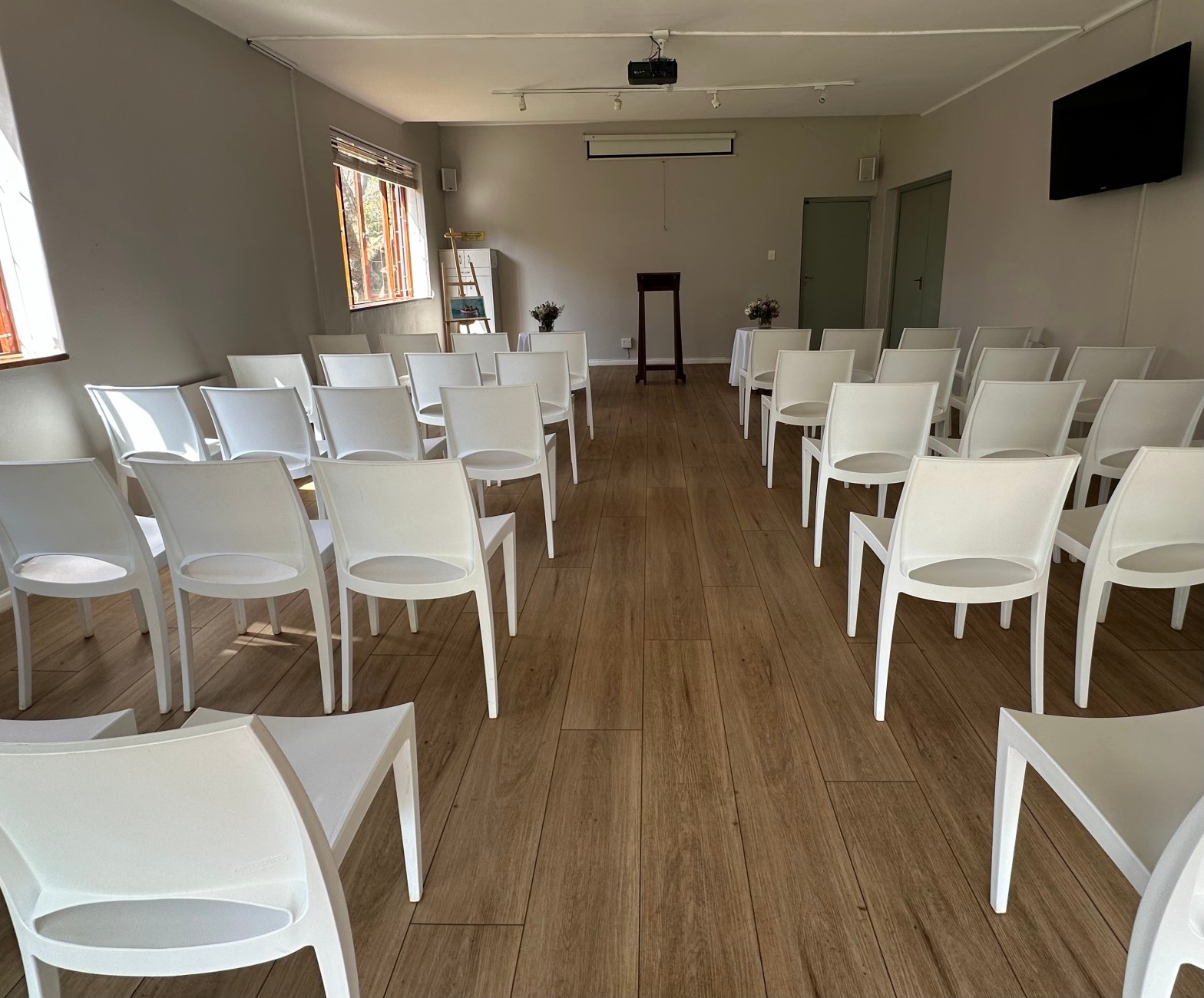
At the memorial, which was simple and special, as I think he would have approved, I was surrounded by family and old friends, including people I’d known since high school. Back then, I did a lot of public speaking and debating. It was a very different kind of performance, competitive, confident, emotionally detached. Some of those friends joked afterwards that all those years of speaking had clearly prepared me for this moment.
But the truth is, this speech couldn’t have been more different from anything I’d done before.
I haven’t really spoken publicly like that since school, and certainly never about something so personal. This wasn’t about winning an argument or delivering a polished performance. I was emotionally invested in every word. I wasn’t trying to persuade or impress…I was sharing memories, love, and loss. Standing there, vulnerable and grieving, reminded me that speaking can be about connection rather than control.
If there’s one thing this experience has taught me, it’s that eulogies are not just for the dead. They’re for the living. For those left behind who need to make sense of what’s been lost. Writing and reading my dad’s eulogy didn’t bring closure, but it did bring clarity, and a sense that grief, when given voice, can be softened just enough to carry.
So yes — for me, 2025 has become the year of the eulogy. Not because I wish to repeat the experience, but because it changed how I understand loss, memory, and the quiet power of words spoken from the heart.
 Blog life